Considering a hotel in downtown Boston? Learn what to expect from rooms, facilities, walkability, airport access, and pet or family policies so you can decide if staying in Boston’s city center is right for your trip.
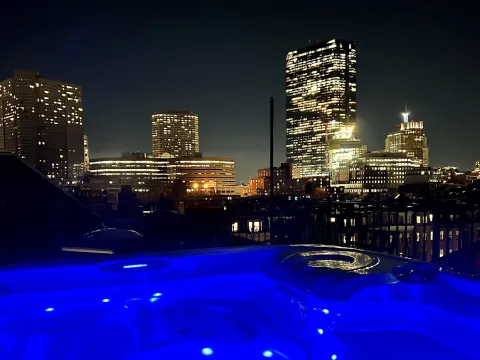
The evening ends in a hot tub on the roof, with the Back Bay skyline lit up on every side: that is the signature of Clarendon Square, a six-storey Victorian townhouse built in the 1860s for a Boston merchant and...
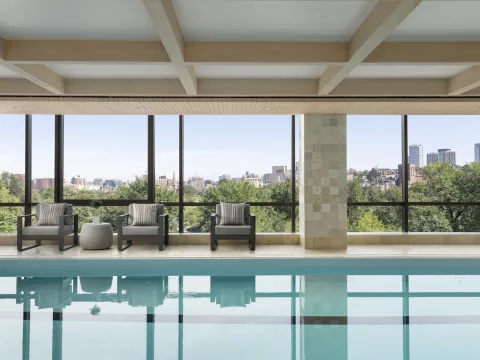
The Public Garden fills the windows on the Boylston Street side, with the swan boats below, the Common beyond and the State House dome rising over Beacon Hill to the right. That outlook is the reason this address has kept...
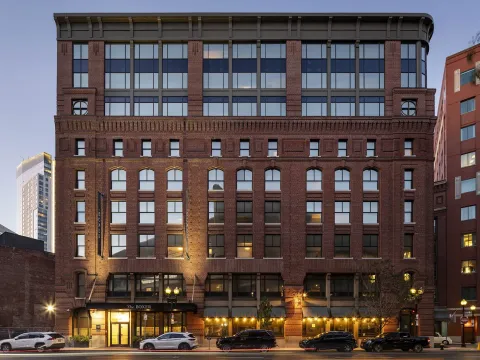
The building came first: a slim 1904 flatiron of brick and steel in the Bulfinch Triangle, converted into an 80-room boutique hotel that keeps its industrial bones on show. Riveted steel wardrobes, tufted headboards and marble-topped bathrooms give the rooms...
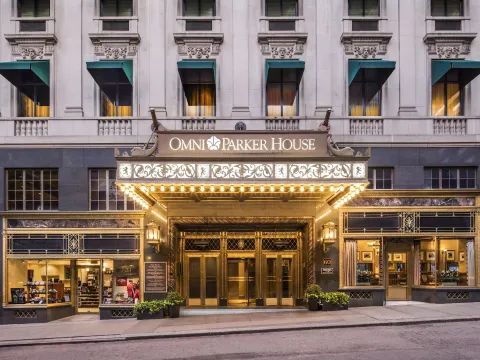
Breakfast comes with a footnote at the Parker House: the Boston cream pie and the Parker House roll were both invented in this kitchen, and Parker's Restaurant still serves them in the room where John F. Kennedy proposed to Jacqueline...
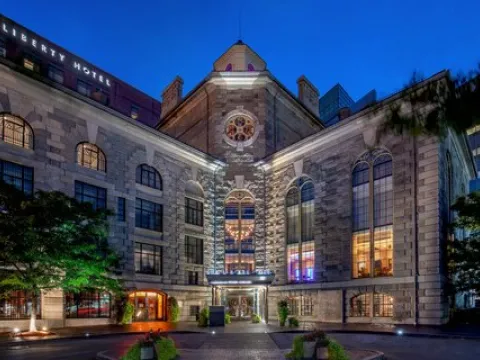
A granite jail from 1851 with a ninety foot atrium at its centre is not obvious raw material for a luxury hotel, and that gap is what makes this one stay in the memory. The Charles Street Jail held prisoners...
Considering a hotel in downtown Boston? Learn what to expect from rooms, facilities, walkability, airport access, and pet or family policies so you can decide if staying in Boston’s city center is right for your trip.
Is a hotel in downtown Boston the right choice?
Standing at the corner of Tremont Street and Winter Street, you feel why downtown Boston works so well as a base. The city folds in around you: Boston Common to one side, the Financial District and Boston Harbor to the other, with the Theater District and South Boston reachable on foot or by a short ride. For travelers who want to walk rather than commute, a hotel in downtown Boston is usually the most efficient choice in Massachusetts.
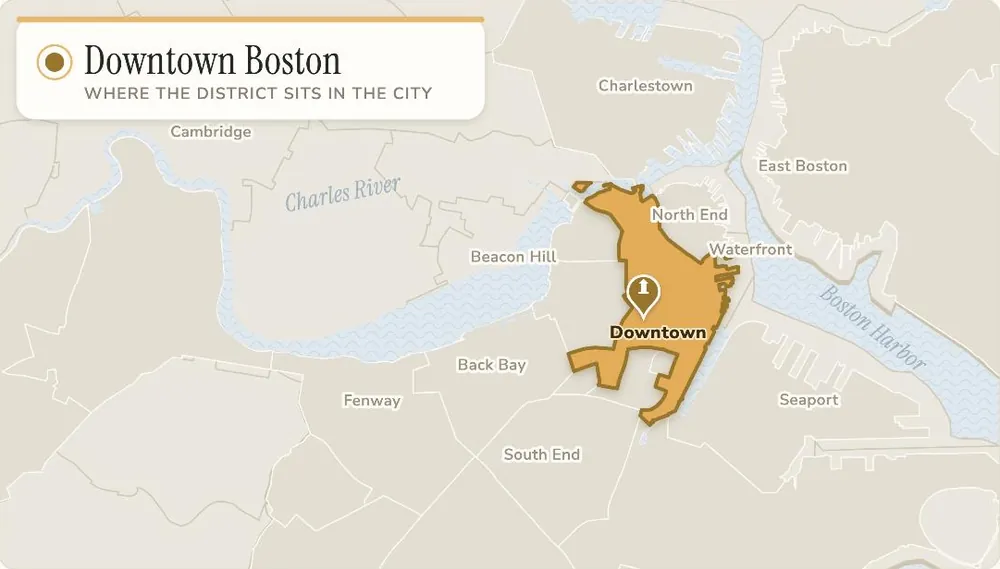
Downtown sits between Boston Common, the North End and the waterfront — every other central neighbourhood starts at its edge.
Our hotel picks in Downtown Boston
How this shortlist is put together
The order is not a ranking. There is no first and no last.
Every bracket is represented, from the cheapest bed in the area to its most expensive room.
The selection is our editors’ choice. No algorithm, no guest-vote aggregation.
We do not sell placement on this page.
We keep one to two properties per group or brand.
Links open the property’s page on Booking.com so you can compare live rates and dates.
5-star luxuryFinancial District
The Langham, Boston
Best for · a landmark building in the Financial District
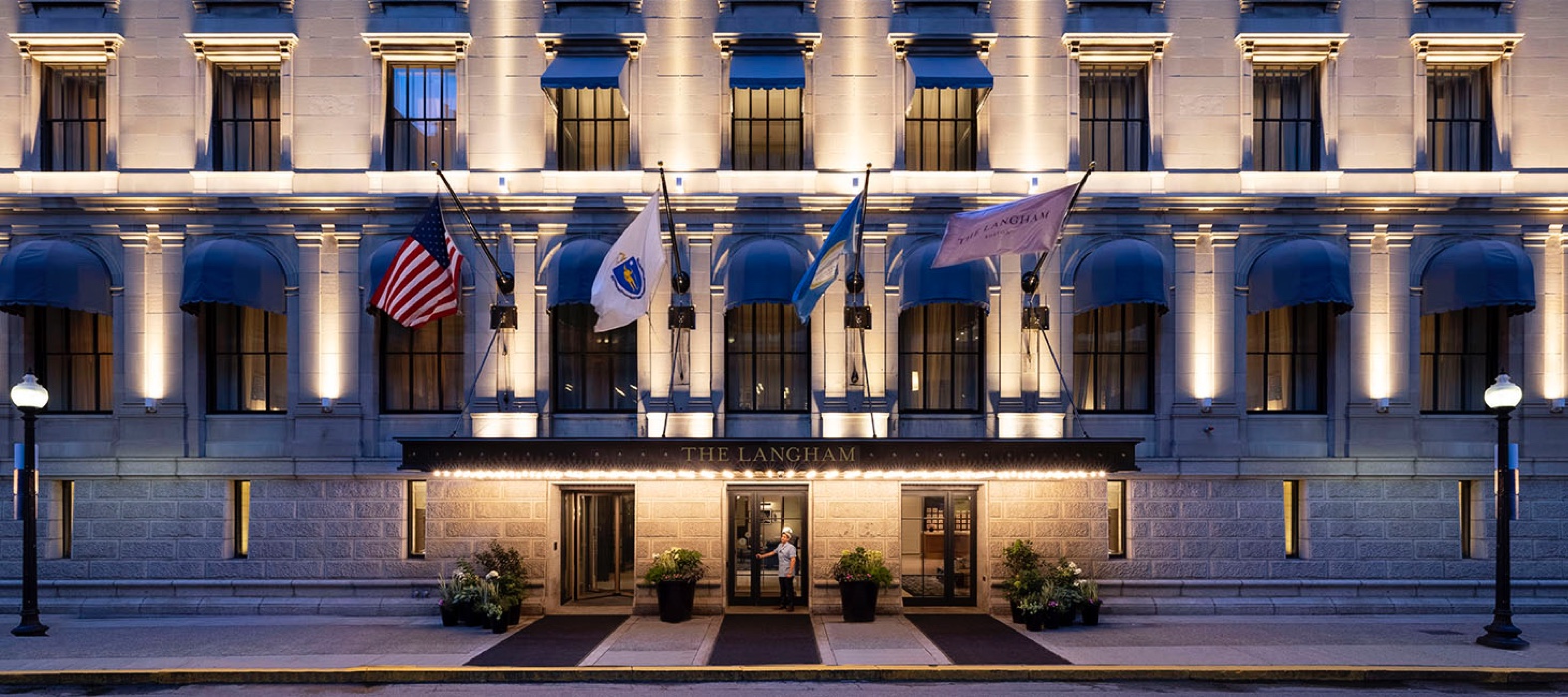
A 1922 Renaissance Revival bank — the old Federal Reserve — turned into the quietest luxury address downtown. The Financial District empties at weekends, so you get marble-and-gold grandeur with almost no street noise, and Faneuil Hall, the Greenway and the harbour are all within ten minutes on foot.
Indoor pool · Grana restaurant · The Fed bar · spa
The original Four Seasons on Boylston Street, facing the Public Garden rather than the office towers. Ask for a park-view room: the swan boats and the Common are the whole outlook, and Beacon Hill, Back Bay and the Theater District all start at the front door.
Park-view rooms · indoor pool · spa · Bristol lounge
On Avery Street, where Downtown Crossing meets the Theater District and Boston Common. Rooms and suites here are among the most generous downtown, several look straight over the park, and the shops of Washington Street plus the Orange and Green lines are a two-minute walk.
Large suites · club level · attached fitness club · valet parking
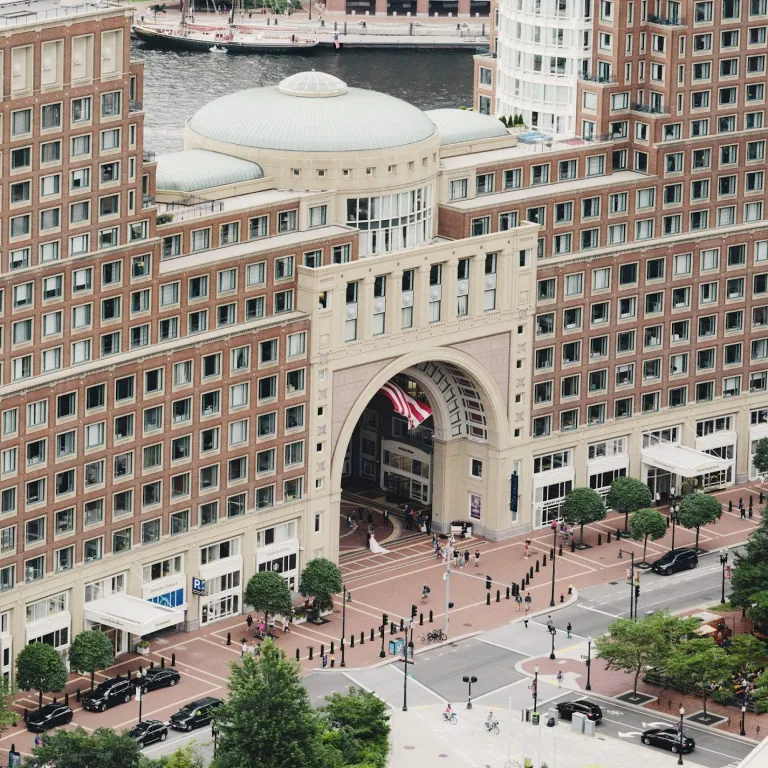
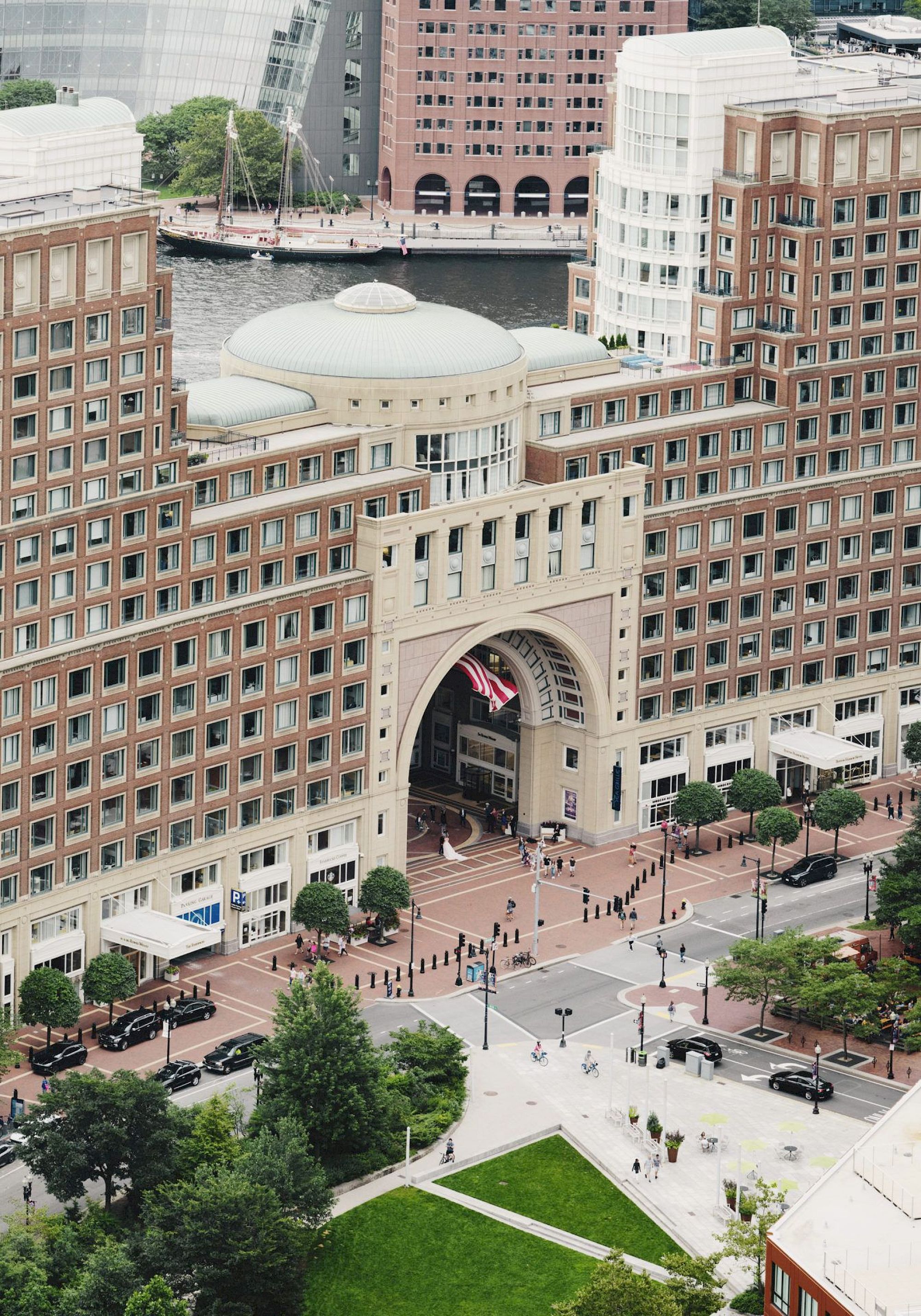
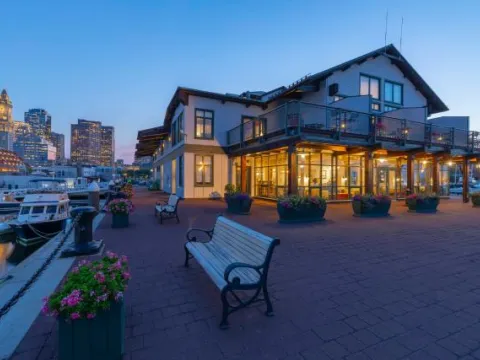
The hotel behind the Rowes Wharf arch, the most photographed doorway on the waterfront. You are still inside downtown — the Financial District starts across the road — but the outlook is boats and open water, and the airport water taxi leaves from the dock below.
Water taxi to Logan · indoor pool · Rowes Wharf Sea Grille · summer concerts
Best for · a small luxury hotel with real character
A 1903 Beaux-Arts office block at the top of Beacon Street, converted into a handful of rooms per floor. Every room has a fireplace, an Italian marble bathroom and cashmere throws, and the house car will run you anywhere downtown. The State House is next door and the Common is at the bottom of the hill.
Fireplace in every room · courtesy house car · roof terrace · Frette linens
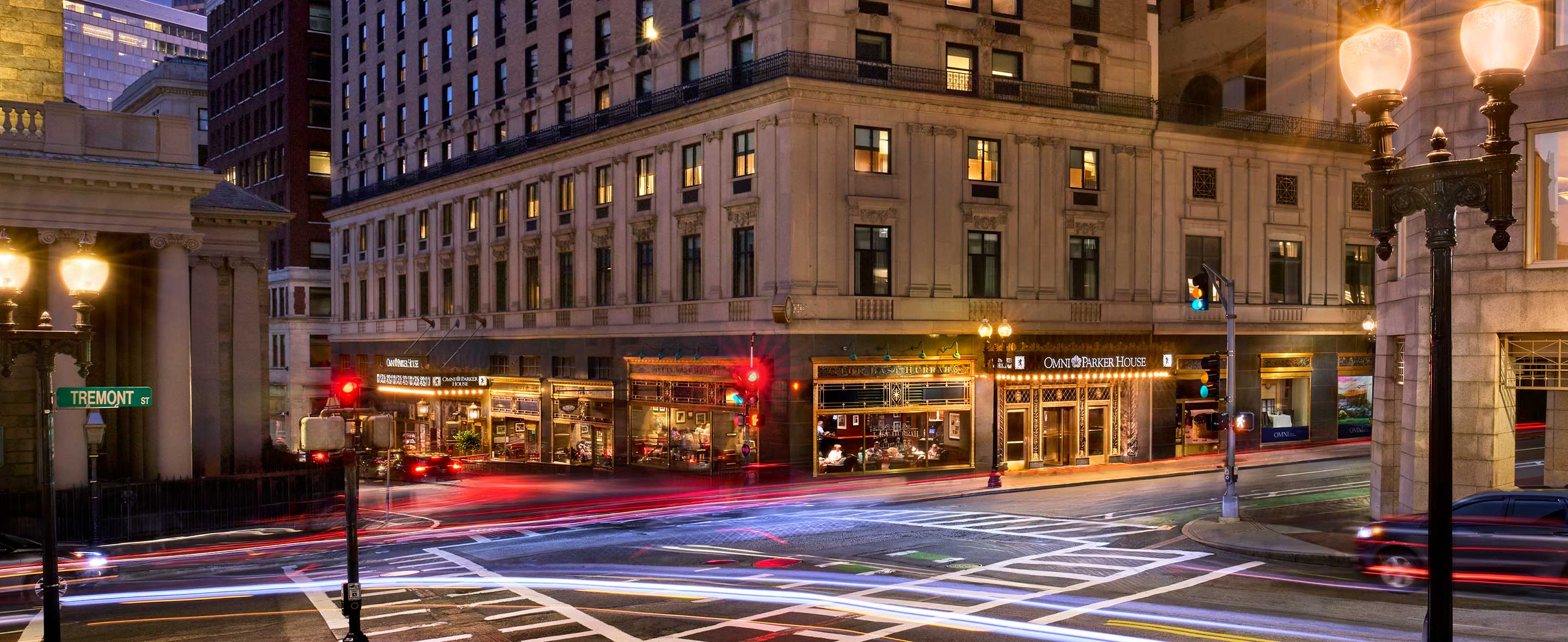
The oldest continuously operating hotel in the United States, open since 1855 and standing directly on the Freedom Trail at School and Tremont. Boston cream pie was invented in the kitchen. Rooms are period-sized rather than large — you come for the address and the history, not the square footage.
On the Freedom Trail · Parker’s Restaurant · Park Street T · historic building
Two restored 1900s buildings on Washington Street, reworked into the most contemporary hotel in Downtown Crossing. The lobby doubles as a workspace around a George Howell Coffee bar, RUKA serves Nikkei food off the lobby, and the Theater District and the Common are both a few blocks away.
George Howell Coffee · RUKA Restobar · work-friendly lobby · central location
The newest building on this list, on Blackstone Street between Faneuil Hall and the North End. It is the sensible middle of the shortlist: modern rooms, loaner bikes and a proper gym, with Haymarket station and the Rose Kennedy Greenway at the door.
Loaner bikes · fitness centre · new build · walk to the North End
Business and leisure blend here. Offices, historic sites, and restaurants share the same compact grid, so you can step out of your hotel, check availability for a late dinner, and still be back in your room before night feels late. Compared with hotels south of the core or near Boston Logan International Airport, you trade a little calm for immediacy and access.
This area suits travelers who value time over distance. If you plan to explore several neighborhoods, attend meetings, or see a show, downtown Boston hotels in the United States offer a practical, premium base. Those seeking a resort feel, beach hotels, or a quieter residential atmosphere may prefer staying closer to the waterfront neighborhoods such as the Seaport District or further along the North Shore coast.
Quick verdict: downtown Boston is ideal if you want walkability, short transfers to Boston Logan, and easy access to major sights; it is less suitable if you prioritize large resort pools, extensive on-site grounds, or a secluded, suburban-style setting.
Two blocks can change the mood completely. Around Downtown Crossing, between Washington Street and Summer Street, you find a dense cluster of Boston hotels, department stores, and quick-service cafés; it is lively, sometimes crowded, and ideal if you like being in the middle of things. Closer to Boston Harbor, near Atlantic Avenue and Rowes Wharf, the streets open up, the air smells faintly of salt, and hotels lean more toward discreet lobbies and harbor-facing suites.
Near Boston Common and the edge of Beacon Hill, the tone softens. Here, a hotel might overlook the park Boston is famous for, with rooms facing the treetops of the Public Garden Boston visitors cross on their way to the Freedom Trail. Walking from a hotel by the Common to Faneuil Hall or Quincy Market usually takes about 10 to 15 minutes, which suits guests who like to mix green space with classic sightseeing.
South of the main core, toward the gateway to South Boston and the Seaport, properties start to feel more transitional. You are closer to major roads such as the I-93 and, by extension, to Boston Logan and the airport hotels corridor, but a little farther from the historic streets. When you compare hotels Boston offers in these pockets, decide whether you want park access, harbor proximity, or direct routes to the airport and convention venues like the Boston Convention and Exhibition Center.
At a glance: Downtown Crossing is best for shopping and transit; the Common and Beacon Hill edge favor leafy views and classic architecture; the harbor side suits travelers who prioritize waterfront walks, ferries, and quick access to business addresses in the Financial District.
What to expect from rooms, suites, and facilities
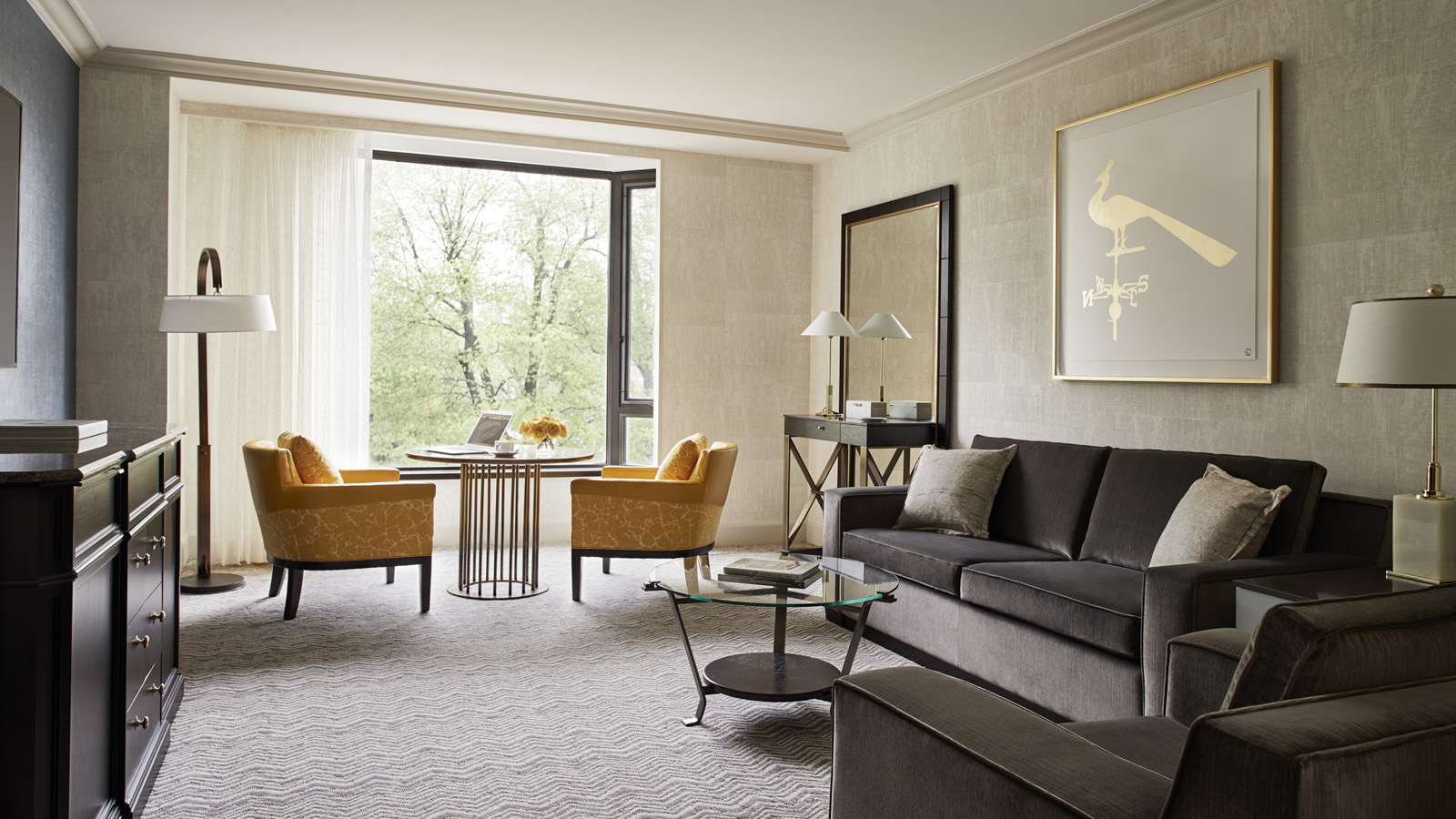
Rooms in downtown Boston tend to be compact but carefully planned. Many luxury hotels here favor clean lines, upholstered headboards, and a restrained palette that lets the city outside do the talking. Typical nightly rates for standard rooms in central properties often range from around $250 to $450, with premium suites and harbor views priced higher, especially in peak season.
Facilities vary more than you might expect. Some of the best hotels near Boston Common emphasize wellness, with fitness spaces and, in a few cases, small hotel pools tucked away from street noise. Others, especially closer to the harbor, focus on dining and bar programs, turning the lobby level into a social hub where you can start the night with oysters and end it with a nightcap before the short elevator ride upstairs.
When you check availability, look closely at how each hotel describes its room categories. A “city view” may mean a glimpse of a historic façade on Washington Street, while a “park view” can translate into direct sightlines over the Common or the Public Garden. In a dense downtown, orientation matters as much as square meters, and friendly hotels that explain this clearly on their descriptions tend to deliver a more satisfying stay.
Room checklist: confirm whether Wi‑Fi is included, ask about workspace lighting if you plan to work from your room, and verify whether housekeeping is daily or on request only, as policies can differ between downtown Boston properties.
Access, airport connections, and getting around
From a downtown Boston hotel, the city feels scaled to your feet. Boston Common, the Financial District, and the waterfront sit within a radius of roughly 1 to 1.5 km (about 10 to 20 minutes on foot), which means you can walk from a meeting near State Street to dinner by the harbor without thinking about transport. For many travelers in the United States, that walkability is the main reason to choose this area over more dispersed districts.
Reaching Boston Logan Airport from downtown is straightforward. Tunnels and bridges link the city center to the terminals in about 10 to 20 minutes by taxi or car service in typical traffic, and public transport options such as the MBTA Blue Line and Silver Line run frequently, making airport hotels less essential unless you have a very early departure. Staying downtown lets you enjoy a final evening stroll past the park Boston is centered around instead of spending your last night in a purely transit-focused zone.
Parking can be tight and often comes with fees, so travelers who value a car-free experience will appreciate this location most. If you do arrive by car, check in advance whether your chosen hotel offers valet, self-parking, or partnerships with nearby garages, and whether there are any free check options for short loading stops. The trade-off is clear: easier movement on foot, slightly more planning for vehicles.
Getting around tips: use the subway for longer hops to Cambridge or Fenway, allow extra time for traffic during rush hour if you rely on rideshares, and consider a contactless transit card if you expect to use the MBTA several times a day.
Choosing between luxury, character, and practicality
Not all downtown properties aim for the same guest. Some luxury hotels concentrate on polished service, hushed lobbies, and refined suites that feel like private apartments above the city. These are the places where you return after a long day, close the door, and forget that Washington Street is a few floors below. They suit travelers who see the hotel as part of the trip, not just a place to sleep.
Other Boston hotels in the core lean into practicality. They offer well-designed rooms, efficient check-in, and easy access to transit, often at the expense of expansive public spaces or elaborate amenities. If your days are packed with meetings or sightseeing and you mainly need a reliable base, these hotels south of the Common or near the office towers can be the right fit.
Then there are the friendly hotels that quietly balance both. They may not market themselves as the absolute best hotels in the city, but they combine attentive staff, comfortable rooms, and thoughtful touches such as late-night room service or flexible housekeeping. When you compare options, decide whether you want maximum polish, maximum convenience, or a measured blend of the two.
Good rule of thumb: choose luxury if you plan to spend significant time on property, pick character-rich boutiques if you value atmosphere over amenities, and opt for straightforward business hotels when you care most about location and price.
Pet policies, families, and special-use stays
Traveling with a dog changes the equation. Many downtown properties in Boston, Massachusetts, now position themselves as pet friendly hotels, but the details differ: some welcome small dogs only, others allow larger breeds, and a few limit pets to specific floors. Before you book, check how each hotel handles pet fees, designated relief areas, and whether pets are allowed to cross the lobby or must use side entrances.
Families will want to look closely at room configurations. Connecting rooms and one-bedroom suites can make a significant difference when children need an earlier night while adults still want a separate space. Hotels with pools are relatively rare in the tight downtown grid, so if a swim is non-negotiable, filter specifically for hotel pools and confirm whether they are indoor, seasonal, or reserved for certain room categories.
For short business trips, proximity to your primary meeting address often outweighs everything else. A hotel steps from State Street or near the courts will save you more time than any free extras. For longer stays, consider whether you prefer being near Boston Common and the garden Boston visitors love, or closer to the harbor and its restaurants; each setting shapes your daily rhythm in a different way.
Before you reserve: note your must-haves on a short list—such as pet acceptance, cribs, late check-out, or laundry facilities—then filter downtown Boston hotels against those essentials rather than starting with price alone.
How to compare and verify before you book
Start with a map, not a list. Pin your key points of interest — office, conference venue, favorite restaurant, or the park Boston is built around — then look at which hotels sit within a comfortable walking radius. In a compact downtown, 300 meters can mean the difference between crossing several busy intersections and slipping down a quieter side street.
When you check availability, pay attention to what is included rather than focusing only on headline rates. Some properties fold common extras into the nightly rate, while others separate them as fees for amenities or services. If you value a clear, all-in structure, choose hotels that describe inclusions transparently and avoid surprises at check-out.
Finally, read recent reviews with a specific lens. Look for comments about noise levels on lower floors, elevator waits at peak times, and how the staff handle late arrivals or early departures for Boston Logan flights. Downtown Boston rewards travelers who match their expectations to the reality of a busy, walkable city center: intense at street level, rewarding once you find the hotel whose rhythm matches your own.
Quick comparison steps: shortlist three to five properties, compare their locations against your daily plans, scan photos for room layout and natural light, then confirm cancellation terms and any resort or destination fees before you finalize your booking.
Is downtown Boston a good area to stay for first-time visitors?
For a first stay in Boston, downtown is usually the most practical choice. You are within walking distance of Boston Common, the harbor, and several historic sites, and you can reach other neighborhoods quickly by public transport or taxi. The area feels busy rather than secluded, but it gives you an immediate sense of the city and minimizes time spent commuting.
How far is downtown Boston from the airport?
Downtown Boston sits only a short drive from Boston Logan Airport, connected by tunnels and bridges. In normal traffic, the journey typically takes around 10 to 20 minutes rather than an hour-scale transfer, which makes it easy to catch early or late flights without relying on airport hotels. Public transport options also link the terminals to the city center for travelers who prefer not to use taxis.
Are there pet-friendly hotels in downtown Boston?
Several downtown properties in Boston accept pets, often with specific policies on size, number of animals, and designated floors. Conditions vary, so it is important to verify whether there are additional pet fees, restrictions on leaving animals unattended, or limits on where pets can go within the building. If traveling with a dog is essential, prioritize hotels that clearly describe themselves as pet friendly and outline their rules in detail.
Is it better to stay near Boston Common or closer to the harbor?
Staying near Boston Common places you by the city’s main green space, close to theaters, shops, and easy transit connections, which suits travelers who enjoy park access and central streets. Choosing a hotel closer to the harbor shifts the focus toward waterfront walks and dining, with a slightly more open feel and quick access to piers. The best option depends on whether you prefer leafy views and classic city squares or the maritime atmosphere of the waterfront.
Do downtown Boston hotels usually have swimming pools?
Because downtown Boston is dense and space is limited, not every hotel includes a swimming pool. Those that do often feature compact indoor pools or wellness-focused facilities rather than large resort-style areas. If a pool is important to your stay, filter specifically for hotels with pools and confirm the pool’s size, opening hours, and any access restrictions before booking.
Other Boston neighbourhoods
Not sure Downtown Boston is the right base for your trip? These guides cover the neighbourhoods travellers most often weigh against it.
One email from our editors: the hotel openings worth knowing about, what changes with the season in Boston, and the practical notes we gather along the way.
New openingsSeasonal picksEditors' notesEarly access
Our free tools
Built by our editors, free and without sign-up: answer a few questions and get a recommendation that fits your trip rather than everyone else's.