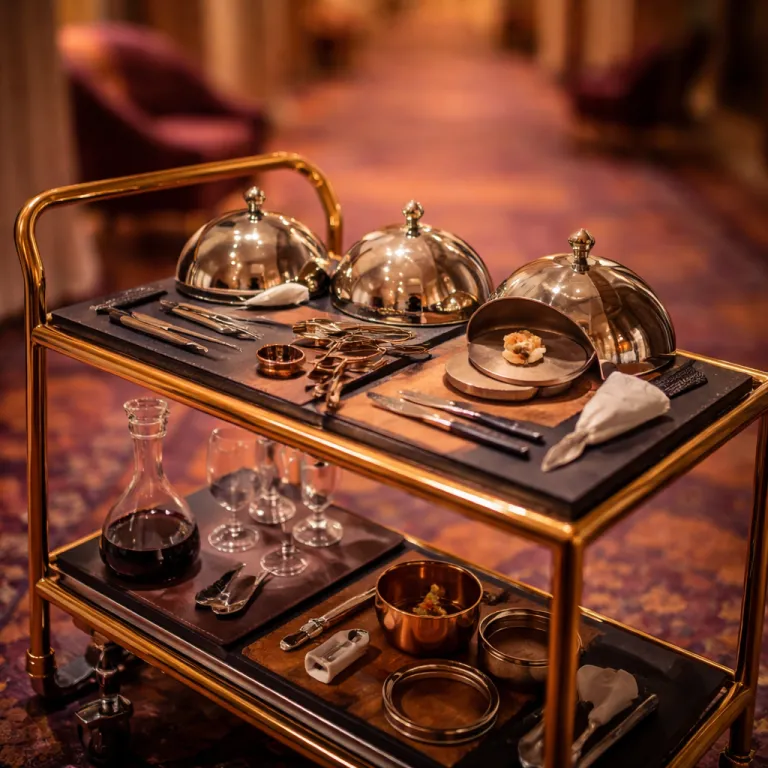
Boston Michelin star hospitality as a new kind of status check-in
Boston Michelin star hospitality now starts at a ten seat counter in the South End. When 311 Omakase earned the city’s first Michelin star in 2025, it reset how every serious hotel in Boston thinks about the guest table and the concierge desk. For travelers who measure a stay by the restaurant as much as the room, this is the moment when the heart of Boston finally matches its reputation for intellect.
The Michelin Guide arrived in Boston to recognize a single restaurant, yet its inspectors effectively validated an entire Boston culinary ecosystem that stretches from Seaport to Cambridge. Officially, the 2025 guide noted that “Michelin expanded its coverage to include Boston, recognizing 311 Omakase,” a line that now appears in every serious conversation about where to find the best Boston dining experiences. For luxury travelers, that statement matters as much as any hotel star rating, because it signals that restaurants Michelin inspectors consider world class now sit within a short walk or chauffeured ride of their preferred Boston hotel address.
At 311 Omakase on Tremont Street, chef Wei Fa Chen is widely credited as the founding chef behind an 18 course omakase menu built around imported Japanese fish, and reservations vanish weeks ahead. The room holds just ten guests, so every seat feels like a private dining room, and the service choreography has become a benchmark for high quality experiences across greater Boston. One South End concierge notes that “weekend counter seats can book out 30 to 45 days in advance,” and for teams at properties such as The Langham Boston or the Four Seasons One Dalton, securing a photo worthy seat at this restaurant is now as coveted as a harbor view suite upgrade.
Boston sits within Massachusetts, but the Michelin Guide’s arrival places the city firmly on an international map that already includes New York, Chicago and California. The inspectors did not just reward one restaurant; they signaled that recommended restaurants across the region could follow, from Woods Hill Pier 4 on the waterfront to Urban Hearth in Cambridge. For guests browsing stay in Boston style platforms, the phrase Boston Michelin star hospitality now acts as shorthand for a city where the hotel bar, the omakase counter and the oyster house all compete at the same level.
How concierges curate the new Boston Michelin star hospitality
Concierge teams in luxury hotels across greater Boston have quietly rewritten their playbooks since the Michelin Guide announcement. Where a decade ago they might have defaulted to a steakhouse or a generic seafood restaurant, they now maintain live shortlists of restaurants Michelin inspectors have noticed, plus a second tier of good, emerging addresses. For the business leisure traveler extending a stay, this means your Boston room key now unlocks a far more ambitious dining circuit.
At The Langham Boston, the concierge desk treats dining reservations as seriously as late checkout requests, especially for guests asking to meet Boston clients over dinner. A typical evening might start with a martini at the hotel bar, then move to a counter seat at 311 Omakase or a table at Woods Hill Pier 4, where the menu leans into New England sourcing with high quality precision. In Cambridge, concierges at river facing properties often steer guests toward Urban Hearth for intimate tasting menus, or across the Charles to Neptune Oyster when the brief is simple: the best Boston lobster roll and a glass of chilled white at a tiny bar.
Because 311 Omakase holds only ten seats, concierges now manage expectations with unusual candor. They quote the official guidance directly: “How can I dine at 311 Omakase? Reservations are required; visit their website for details.” Then they layer in alternatives, from Bib Gourmand level trattorias such as Bar Volpe in South Boston to recommended restaurants that may soon enter the Michelin Guide. One Back Bay hotel reports internally that guests who secure any Michelin listed table are “about 20 percent more likely to extend their stay by a night,” a small but telling statistic that illustrates how access to top restaurants can influence booking behavior.
High service standards now extend beyond the restaurant list to how information is presented. Many hotels maintain digital dining guides with a photo gallery for each restaurant, a short note on the style of service and a clear sense of whether the house specialty is omakase, pasta or oysters. When you read an elevated concierge guide to hotel experiences in Boston for discerning travelers, you will see how the best teams frame Michelin level hospitality as a spectrum, not a single star. The result is that a guest can move from a quiet bar at Langham Boston to a lively table at Bar Volpe or a counter at Neptune Oyster, feeling that every step has been intentionally plotted.
From omakase counters to hotel dining rooms: partnerships and positioning
The first Michelin star in Boston did not land in a hotel restaurant, and that matters. It forced luxury properties to ask whether they should chase restaurants Michelin inspectors might reward in house, or double down on partnerships with independent chefs across greater Boston. The smartest hotels are doing both, using Boston’s Michelin recognition as a narrative thread that ties their own menus to the city’s most ambitious kitchens.
New rooftop concepts such as Foxglove Terrace at The Atlas position themselves as extensions of the city’s restaurant scene rather than isolated hotel dining rooms. Their menus reference local producers in Massachusetts, echoing the ethos at Woods Hill Pier 4, while cocktail lists nod to the bar programs at places like Urban Hearth or the wine selections at Neptune Oyster. When international brands such as Hawksmoor or LPM arrive, often anchoring themselves inside or adjacent to a hotel, they bring a level of high quality consistency that reassures travelers who already know these names from London or the French Riviera.
This shift also changes how hotels talk about their own restaurants. A house restaurant that once leaned on room service traffic now needs a clear point of view, whether that is a seafood focus that can stand beside Neptune Oyster, or a pasta program that feels like a sibling rather than a rival to Bar Volpe. Menus increasingly reference Japanese techniques, a quiet acknowledgment of 311 Omakase and the broader rise of omakase style dining that helped bring the Michelin Guide to Boston in the first place. For guests, this means that even a casual bar snack in a hotel can feel connected to the same culinary conversation as a star level omakase menu.
Partnerships extend beyond food to storytelling. Some hotels commission photo essays of chefs at work, or host meet Boston style events where visitors can talk with local restaurateurs about how the inspectors operate and what it means to be listed among recommended restaurants. Others build packages that pair a suite at a leading Boston property with guaranteed reservations at a rotation of restaurants Michelin has recognized, from the city’s first starred counter to Bib Gourmand trattorias. The message is clear: staying in the right hotel now gives you structured access to the best Boston tables.
What this means for the luxury traveler choosing Boston now
For the executive traveler extending a work trip, Michelin level hospitality in Boston changes the calculus of where to spend that extra night. Boston is no longer just the city of campuses and conferences; it is a place where a ten seat omakase counter, a Cambridge tasting room and a Seaport oyster bar can all anchor a stay. The decision between a Boston address in Back Bay or the Seaport now often comes down to which restaurants sit within a ten minute walk.
Travelers who care about food will notice how hotel websites and booking platforms now foreground dining. Filters that once prioritized spa access or meeting space now highlight proximity to restaurants Michelin inspectors have visited, or to Bib Gourmand addresses such as Bar Volpe that promise good value without sacrificing ambition. In practice, this means a guest might choose Langham Boston because its concierge has a reputation for unlocking hard to get reservations, then build an itinerary that moves from 311 Omakase to Woods Hill Pier 4 to Urban Hearth over three nights.
There is also a subtle shift in what counts as the heart of Boston for visitors. Where the Freedom Trail once defined the center, many food focused travelers now orient themselves around dining clusters in the South End, Cambridge and the waterfront, using their hotel as a hub between these neighborhoods. As more restaurants enter the Michelin Guide, from regional Chinese specialists to contemporary American counters, the map of greater Boston that matters to travelers will be drawn less by monuments and more by menus. For those coming to Boston with a serious appetite, the city finally offers a coherent, high quality narrative that runs from the hotel bar to the omakase counter and back to a quiet room with a view.
The ripple effect is only beginning. With one Michelin starred restaurant already in place and a growing list of recommended restaurants under review, it is reasonable to expect more stars and Bib Gourmand listings across Massachusetts in the coming cycles. For travelers using platforms like stay in Boston to find the best Boston stays, this means that every year the culinary stakes of choosing the right hotel will rise. The most rewarding trips will belong to those who treat their room key as a pass not just to a comfortable house for the night, but to a curated circuit of Michelin level experiences across the city.
Key figures shaping Boston Michelin star hospitality
- Boston currently has 1 Michelin starred restaurant, 311 Omakase in the South End, which was the first restaurant in the city to receive a star according to the Michelin Guide.
- The Michelin Guide expanded to include Boston in its 2025 edition when inspectors recognized that 311 Omakase met their criteria for a star level omakase menu built around imported Japanese fish.
- 311 Omakase operates with just 10 seats at its counter, which makes advance reservations essential and turns each service into an intimate, high touch experience for guests.
- The official objective of awarding Boston’s first star was to recognize culinary excellence and elevate the city’s dining reputation, signaling greater attention on restaurants across greater Boston.
- Anonymous inspections and standardized Michelin Guide criteria are used by inspectors to evaluate restaurants in Boston, ensuring that the single starred restaurant is judged on the same scale as peers in other global cities.