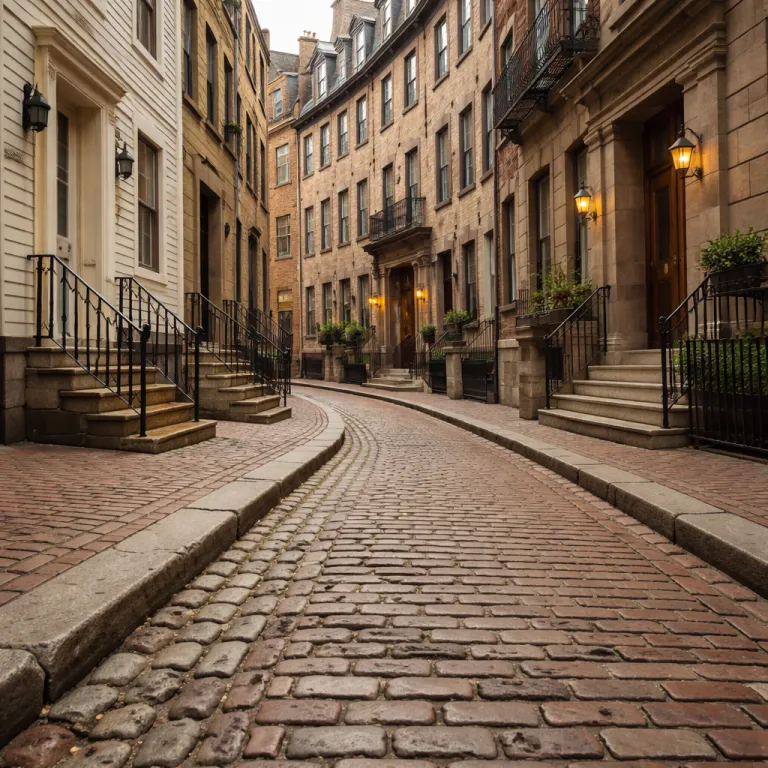
Why luxury travellers should look beyond the obvious in Boston
Boston rewards travellers who look past the postcard views and stadium tours. In a compact city where history, academic life and working waterfronts intersect, the best things often sit one quiet side street away from the main road. When you plan your travel Boston itinerary with that mindset, every day of your stay can feel like a private tour curated by a very well-connected local.
For business-leisure guests staying in an upscale hotel in Boston, time is usually measured in half days between meetings and flights. That is why the smartest travel strategies focus on tightly clustered neighbourhoods, where you can walk from a hidden gallery to an exceptional food counter in less than fifteen minutes. When you visit the city with only a few days to spare, choosing the right hotel in the right part of town matters more than squeezing in every famous park or landmark.
Think of Boston travel as a series of themed chapters rather than one long checklist of things visitors are told they must see. One evening might be devoted to a speakeasy-style bar and a late walk through Beacon Hill, while another day becomes a full immersion in the harbour’s working piers and seafood markets. When you book a premium hotel, use a simple concierge test: ask for three experiences they would reserve only for their favourite guests, then read their suggestions as a live review of how well that property understands the city.
Harbor islands and working waterfront: rethinking the classic Boston harbor view
Most visitors see Boston Harbor from a conference room window or a sunset cruise deck. To understand the harbour as a living part of Boston, you need at least one day on the water and one morning among the people who work it. That combination turns a standard stop in the city into a textured coastal experience that feels very different from other United States business hubs.
Start with the harbour islands ferries from Long Wharf, which run to Spectacle Island and Georges Island for relaxed day trips. Spectacle suits a slower rhythm, with walking trails, a small beach and wide views back to the skyline that make a short visit feel surprisingly remote. Georges Island, home to Fort Warren, speaks more directly to history lovers who want things related to Boston’s past that go beyond the Freedom Trail, with brick tunnels, ramparts and enough military stories to fill a long read of anecdotes.
Back on the mainland, carve out time for the working Fish Pier, where tours explain how this historic commercial hub balances heritage with sustainable practices. This is where you feel Boston travel as a living economy, not just a pretty harbour backdrop for hotel marketing photos. Before you head back to your base, ask your concierge for an oyster bar where the shucker knows the boats by name, then use this guide to Boston’s new hotel dining rooms to align your dinner reservations with the rest of your trip plans.
South End creative walks and hidden cultural rooms
The South End is where Boston’s creative backbone shows itself most clearly, far from the tour groups that cluster around Boston Common and the Public Garden. Former warehouses and row houses now hold galleries, studios and design-forward cafés that give your stay a contemporary edge. If you are extending a business trip, this neighbourhood turns spare days into curated cultural sessions without needing a long road trip out of the city.
Plan a late-morning South End walk that links small galleries with independent design shops and coffee bars. Many luxury hotel concierges keep a private list of openings and studio visits, so ask them to book a slot or two and treat their suggestions as a quick test of their local connections. When you read event listings from organisations like Boston Discovery Guide, you will notice how often South End venues appear in roundups of the best things to do beyond the standard attractions visitors expect.
Hidden cultural rooms are scattered across the wider city as well, and they reward guests who are willing to find them. The Mapparium, a three-story stained glass globe you can walk inside, offers a surreal, echoing perspective on how Boston connects to the wider world and sits quietly inside the Mary Baker Eddy Library. For a deeper dive into cultural detours that justify an extra day at your central hotel address, use this insider resource on cultural detours worth extending your Boston stay as a companion guide.
Food experiences beyond the dining room: markets, piers and speakeasy style bars
High-end hotel restaurants in Boston, Massachusetts are better than ever, but the city’s most memorable food moments often happen in less polished corners. When you travel with an appetite for context, you start to see how fish markets, farmers’ stalls and tiny counters shape the menus you read in your hotel. That shift from plate to place turns a standard business trip into a road trip for your palate, even if you never leave the city limits.
Begin with a morning at a neighbourhood farmers’ market, where local growers and bakers sell directly to residents. Ask vendors which restaurants buy their produce, then book those tables through your concierge for the same day, creating a direct line from market stall to dinner plate. On another day, join a guided walk of the working waterfront and Fish Pier, where you can watch unloading, learn about sustainable sourcing and understand why certain oyster bars near the harbour have such fiercely loyal regulars.
As evening falls, Boston’s secretive side comes into focus in places like Hecate, a bar named after the Greek goddess of magic and tucked down an alley off Gloucester Street. Here, the atmosphere feels miles from the public hotel lobby bars, and the cocktail list reads like a snapshot of global spirits trends. For a different kind of hidden door, Bodega hides a high-end sneaker store behind a functioning convenience shop on Clearway Street, turning a simple shopping stop during your trip schedule into one of the best stories you will tell friends when they visit next.
Academic detours: using Boston’s universities as your private members’ club
Few cities in the United States compress as much academic energy into such a walkable area as Boston and Cambridge. For luxury travellers, that density turns campuses into an informal members’ club network, where public lectures, museums and libraries can quietly elevate a short stay. Instead of another generic mall visit, you spend your spare days in spaces that shape global ideas.
Cross the river to Cambridge for an afternoon that mixes culture and casual food. The MIT Museum offers interactive exhibitions that appeal to both curious executives and older children, while nearby craft breweries and cafés provide relaxed settings to debrief what you have seen. Around Harvard Square, independent bookshops such as Harvard Book Store and Raven Used Books invite you to read essays and niche titles you will rarely find in airport shops, turning a simple browse into one of the most satisfying things Boston offers intellectually.
Many talks and events on these campuses are open to the public, so ask your concierge to scan listings for your dates. A single evening lecture can add more depth to your trip experience than another generic restaurant, especially when paired with a late walk through the brick-lined streets of Beacon Hill on your way back across the river. When you weave these academic detours between meetings and museum visits, Boston travel starts to feel like a personalised executive education programme rather than a standard city break.
Seasonal city rituals: from Charles River kayaks to rooftop cinema
Boston changes character with the seasons, and the most rewarding itineraries lean into those shifts. In warmer months, the Charles River becomes an outdoor playground, while winter pushes the city inward to candlelit bars and intimate hotel lounges. Planning your schedule around these rhythms ensures each day feels tuned to the city rather than imposed on it.
On a clear summer day, rent a kayak on the Charles and paddle with skyline views that include both Back Bay towers and the golden dome of the State House. From the water, you understand how close Boston Common, the Public Garden and the financial district really sit, which helps you plan walking routes for the rest of your stay. Evening might mean a rooftop cinema screening at a design-forward hotel, where the concierge can reserve loungers and blankets so you can watch films with the city lights as your backdrop.
Shoulder seasons are ideal for long walks that link Boston Common, the Public Garden and the brownstone streets of Beacon Hill in a single loop. In cooler weather, swap outdoor time for indoor hidden gems like The Mapparium or quiet galleries, then end the day with a harbour cruise that shows Boston Harbor under low winter light. If you are considering a wider New England road trip before or after your visit to Massachusetts, this curated guide to elegant stays on Cape Cod pairs well with a few extra days based in a central Boston hotel.
The concierge test: choosing the right luxury base for hidden gem hunting
For business-leisure travellers, the hotel is not just a bed; it is the control room for the entire city experience. A strong concierge team can turn a two-day stopover into a layered story, while a weak one leaves you circling the same three tourist blocks. When comparing properties, focus less on spa menus and more on how well they can help you find the less obvious things Boston keeps slightly out of sight.
Before you book, email the concierge with a specific brief, such as “one evening walk that combines history, food and a hidden bar” or “a half day that links the harbour with a contemporary art stop”. The quality of their reply functions as a live review of their local knowledge, especially if they reference places like The Mapparium, Bodega or Hecate without defaulting to the Freedom Trail alone. During your stay, notice whether they proactively suggest road trips, harbour islands, academic events or South End galleries based on your interests, rather than pushing only in-house dining.
Use your own mini travel checklist to evaluate each recommendation. Did the suggested walk through Beacon Hill feel generic, or did it include a quiet side street and a specific café where locals actually read newspapers on paper rather than phones? Did their harbour plan balance Boston Common and the Public Garden with a ferry to Spectacle or Georges Island, or did they simply mention a standard cruise? Over a few days, the pattern of advice you receive will tell you whether that Boston property deserves a place on your personal list of best city hotels across the United States.
Key figures for hidden gem experiences in Boston
- Tripadvisor lists dozens of hidden gem-style attractions across Boston, which means even a three-day stay can only sample a fraction of the city’s quieter experiences.
- The Mapparium holds a strong average visitor rating on Tripadvisor, a signal that this lesser-known attraction competes with the best things on many standard travel guide lists.
- Boston Discovery Guide tracks new experiences and hidden gems across the city, reflecting a broader rise in demand for off-the-beaten-path activities among visitors to Boston, Massachusetts.
- Fish Pier tours highlight the long-running role of this commercial pier in the United States seafood trade, underlining how working waterfronts remain central to the city’s identity beyond Boston Harbor cruises.
FAQ: hidden gems and insider activities in Boston
What is The Mapparium and why is it worth visiting ?
The Mapparium is a three-story stained glass globe you can walk inside, located within the Mary Baker Eddy Library. Its acoustics and illuminated glass panels create a striking way to visualise global geography and history in relation to Boston. For travellers who enjoy architecture and design, it offers a calm, contemplative break from busier city sights.
How do I find the hidden Bodega sneaker store ?
Bodega is a boutique sneaker and streetwear shop in Boston that is famously concealed behind a functioning convenience store facade. To enter, you walk into what looks like an ordinary corner shop, then access the retail space through a disguised door. Luxury hotel concierges familiar with the area can provide precise walking directions as part of a customised shopping plan.
Is Hecate open to the public or members only ?
Hecate is a secretive, cocktail-focused bar named after the Greek goddess of magic and located down an alley off Gloucester Street. It operates as a public venue rather than a private members’ club, though hours, policies and wait times can change. Checking current details with your concierge or directly with the bar before you go will help you plan your evening.
What is the best way to move between hidden gems in Boston ?
Most central neighbourhoods, including Back Bay, Beacon Hill and the South End, are easily linked on foot, which suits travellers who want to see the city’s texture between stops. For longer hops, Boston’s public transit system and rideshare services provide efficient connections to areas like Cambridge or the harbour terminals. Many visitors combine walking with short transit rides to maximise their time over a few days.
How many days should I plan for off the beaten path activities ?
If you already have the Freedom Trail and Fenway Park on your list, allocate at least two extra days for hidden gems such as harbour islands, South End galleries and academic detours. Business travellers extending a work trip often find that even one carefully planned free day can accommodate a harbour island visit, a South End walk and an evening at a speakeasy-style bar. Longer road trips through New England can then be built around this urban core, using a central Boston hotel as your anchor.