How to read the best neighborhoods in Boston for a luxury stay
Choosing where to stay in Boston shapes your entire trip experience. The best neighborhoods in Boston for hotels combine walkable street life, refined properties, and easy access to the city’s cultural landmarks. When you read hotel descriptions, focus on the neighborhood first, then the room category and services.
Boston is compact, yet each Boston neighborhood feels distinct in rhythm and style. City planners and long-term residents often describe a patchwork of districts where young professionals, families, and long-time locals live side by side. Recent planning documents from the Boston Planning & Development Agency (BPDA, 2023) report that the Boston area now blends historic streets with rapidly evolving waterfront districts that attract travelers seeking both comfort and character.
For luxury and premium hotel bookings, the right area is rarely only about the room. You want a Boston location that feels safe for a few days, with cafés, a park, and public transport within a short walk. When you compare the best places to stay in Boston, read how close the hotel is to a square, a green park, or the Boston Harbor rather than only checking distance in kilometers.
Many visitors ask which Boston neighborhoods work best for different travel styles. Real estate agents who work across the city often say that the most desirable areas for visitors mirror the places where residents most want to live. That means you should read Boston neighborhood guides with the same care you would use when choosing a place to live in the city long term.
According to the U.S. Census Bureau’s 2020 data, Boston has around 675,647 residents, which is significant for a compact city. This population is spread across neighborhoods that range from quiet hill streets to lively downtown avenues. Understanding how these areas function day to day helps you select the best Boston address for your stay, whether you prefer a calm hilltop setting or a vibrant theatre district.
Beacon Hill and Back Bay: classic elegance in the heart of the city
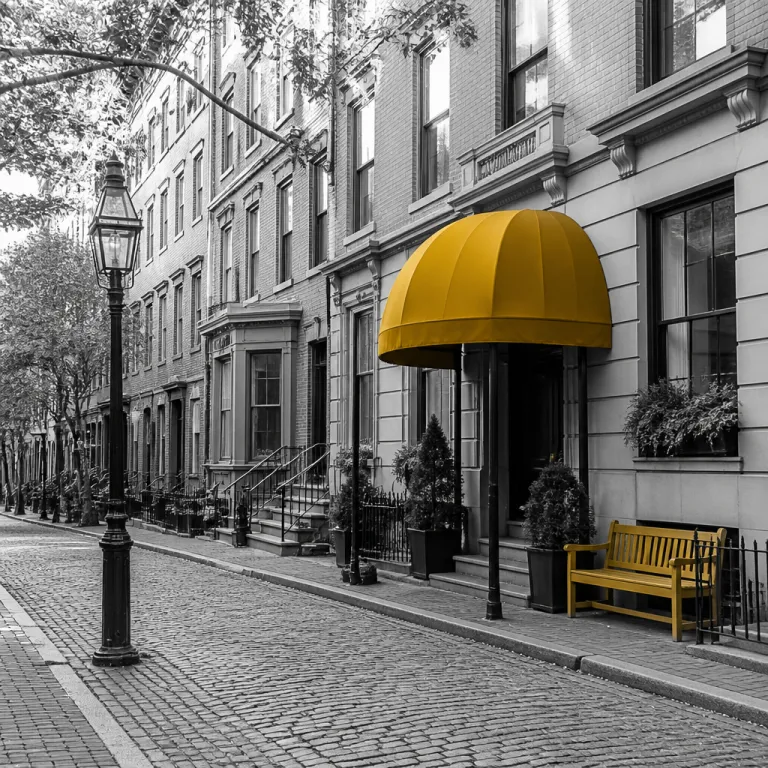
Beacon Hill is often considered the best neighborhood in Boston for travelers who value atmosphere. Cobblestone streets, gas lamps, and brick façades create one of the most photographed Boston districts, especially around Louisburg Square and Acorn Street. Staying here places you on a hill above the city, with intimate hotels such as XV Beacon that suit guests who want quiet evenings and refined service.
From Beacon Hill you can walk to the Charles River Esplanade, a great place for morning runs with wide river views. The area also borders the Boston Common and Public Garden, the oldest public park ensemble in the Boston area and a favorite for families. When you read hotel descriptions here, look for rooms facing the park or higher floors that offer views across the city skyline and the river.
Just to the west, Back Bay is another of the best neighborhoods in Boston for luxury stays. This central district is defined by grand brownstones, wide avenues, and high-end shopping along Newbury Street and Boylston Street. Many young professionals and long-term residents choose to live in this area because it balances elegant housing, office towers, and easy access to public transport.
Back Bay hotels often provide some of the best Boston skyline views, especially near Copley Square and the Prudential Center. Properties such as the Fairmont Copley Plaza or the Mandarin Oriental, Boston sit within a 10–15 minute walk of major sights like the Public Garden. If you plan to stay in Boston for three nights or more, consider building your itinerary around this central area and using a detailed three-day Boston itinerary based on your hotel neighborhood.
Both Beacon Hill and Back Bay are excellent options if you imagine yourself stepping out to cafés, galleries, and the river. They suit travelers who want a Boston address that feels residential yet polished, with tree-lined street views from many rooms. For a first visit, these central neighborhoods give you a strong sense of the city without long transfers or complex navigation.
Waterfront, North End, and Seaport: harbor views and hidden gems
The waterfront districts rank among the best neighborhoods in Boston for guests who prioritize sea air and open views. Along the Boston Harbor you will find a mix of historic wharves, contemporary architecture, and luxury hotels with floor-to-ceiling windows. This area is ideal if you want to stay close to ferries, harbor walks, and seafood restaurants.
The North End, just north of downtown Boston, is the city’s Italian quarter and one of the most atmospheric neighborhoods. Narrow streets, small squares, and family-run restaurants make it a great place to wander after dinner. Many visitors consider the North End one of the best places to feel how Boston neighborhoods function in a more traditional, community-focused way.
Further along the waterfront, the Seaport District has transformed into a modern Boston neighborhood with glass towers, rooftop bars, and contemporary art spaces. This is a favorite among young professionals who work in technology and finance, and it offers some of the best harbor views from hotel terraces. Flagship properties such as the Envoy Hotel or the Seaport Hotel Boston show how design-forward spaces and easy access to the Boston Harborwalk make Seaport a strong contender for the best neighborhood for your stay.
Hidden among these waterfront areas are smaller streets and piers that many visitors never read about in standard guides. Properties near the Greenway or slightly back from the main harbor road often provide quieter stays with quick access to both the North End and downtown Boston. A central hotel a few blocks from Faneuil Hall, for example, can place you within a ten-minute walk of both the waterfront and the historic market streets.
When comparing waterfront hotels, pay attention to how each section of the harbor feels at night. Some parts of the Boston area near the cruise terminals are quiet after dark, while sections closer to the theatre district and downtown remain lively. Choose the specific harbor-side neighborhood that matches whether you prefer calm evening walks or late-night dining and performances.
Cambridge, Harvard Square, and across the river: intellectual charm and green spaces
Across the Charles River, Cambridge offers a different perspective on the best neighborhoods in Boston for a hotel stay. Technically a separate city, Cambridge feels closely tied to Boston through shared public transport, river paths, and cultural institutions. Many travelers choose to spend a few nights here to enjoy quieter streets and academic energy.
Harvard Square is the most famous Cambridge neighborhood and a great place for guests who enjoy bookstores, cafés, and university architecture. Around the square you will find hotels that cater to visiting professors, families, and young professionals attending conferences. This area is one of the best places to experience how neighborhoods develop around a campus, with students, residents, and visitors sharing the same compact streets.
Staying in Cambridge places you slightly outside the densest Boston neighborhoods, yet still within a short metro ride of downtown and the theatre district. Riverfront paths provide wide views back toward the city skyline, and several bridges connect you quickly to Beacon Hill and Back Bay. If you value a park-like setting and quieter evenings, this side of the river can be the best neighborhood choice for your trip.
For guests planning an extended urban retreat, suites on either side of the river can feel more like an apartment than a standard room. A curated selection of elegant two-room suites in Boston for an urban retreat shows how you can combine extra space with a neighborhood address that suits your lifestyle. These options work especially well if you want to stay for a week or more while working remotely or visiting family.
Cambridge neighborhoods, including areas near Kendall Square and Central Square, attract many young professionals in technology and research. Local real estate reports from 2022 show steady demand here, similar to rising property values in Back Bay and the Seaport District. When you read hotel listings in this part of the Boston area, consider proximity to the river, a nearby park, and how easily you can cross back into the city for theatre, sports, or dining.
South End, Theatre District, and Fenway: nightlife, culture, and the Red Sox
South End stands out among the best neighborhoods in Boston for guests who prioritize dining and nightlife. Tree-lined streets, art galleries, and a strong restaurant scene make this district a favorite for young professionals and creative residents. Community surveys summarized by the City of Boston in 2022 highlight South End as a great place where long-term locals and newer arrivals share the same blocks.
Hotels in the South End often sit on quieter residential streets while remaining close to major avenues. This balance lets you stay in a refined setting, then walk to wine bars, jazz clubs, and contemporary restaurants within minutes. If you enjoy evenings out, this area may feel like the best neighborhood because you can return to your room on foot rather than relying on late-night transport.
Adjacent to downtown Boston, the theatre district is the city’s stage for musicals, plays, and live performances. Many visitors choose hotels here to attend several shows during a short stay, combining culture with easy access to Chinatown and the financial district. When you read hotel descriptions in this part of the city, check soundproofing details and room orientation, as some streets remain lively late into the night.
Further west, the Fenway neighborhood is synonymous with the Red Sox and their historic ballpark. On game days the streets around the stadium fill with fans, making this one of the best places to feel Boston sports culture up close. If you are a baseball enthusiast, staying in this neighborhood during the season can be the best way to walk to the game and return easily afterward.
These central and western neighborhoods suit travelers who want energy, culture, and a strong sense of daily city life. They are ideal if you plan to check performance schedules, restaurant lists, and Red Sox fixtures before booking your hotel. For a balanced trip, some guests split their time between a quieter hill or harbor area and a few nights near the theatre district or Fenway.
Family friendly and residential areas: Jamaica Plain, Brighton, and beyond
Not every traveler wants to stay in the busiest parts of downtown Boston or the harbor. For families and guests seeking calmer streets, several residential neighborhoods offer excellent value and a more local rhythm. These areas show how Boston communities live away from the main tourist corridors while still connecting smoothly to the city center.
Jamaica Plain, often called JP by Boston residents, is widely regarded as one of the best neighborhoods in Boston for families. A local expert summary from 2023 notes that “Jamaica Plain offers parks and family-friendly amenities.” Large green spaces such as Jamaica Pond and the Arnold Arboretum provide a park-like setting with long walking paths, making this neighborhood a great place for morning runs and afternoon picnics.
Brighton, to the west of the city, is known for more affordable housing and a strong student and young professional presence. Another verified insight states that “Brighton provides more affordable housing options.” While luxury hotels are less concentrated here, premium serviced apartments and extended-stay properties can work well if you plan to remain in Boston for several weeks or travel with children.
These residential neighborhoods are connected to downtown Boston by public transport, including metro lines and buses. When you read accommodation descriptions in the wider Boston area, pay attention to walking distance from your building to the nearest station or tram stop. A short stroll along a safe street to a station can make a residential neighborhood feel just as convenient as a central address.
Families often rate these districts as some of the best places to unwind after a day of sightseeing. Quieter evenings, local playgrounds, and community centers help you experience how neighborhoods feel beyond the main tourist grid. If you value space, greenery, and a slower pace, Jamaica Plain and Brighton may be the best neighborhood choices for your next stay in Boston.
How to match your travel style with the best neighborhoods in Boston
Choosing among the best neighborhoods in Boston becomes easier when you start with your travel priorities. Ask whether you prefer harbor views, historic hill streets, nightlife, or a park-focused environment. Then read hotel descriptions with those preferences in mind, using the neighborhood name as your primary filter.
For guests who want classic architecture and central access, Beacon Hill and Back Bay remain among the best options. Travelers who enjoy waterfront walks and contemporary design often select the harbor districts, including the North End and Seaport. Cambridge and Harvard Square suit visitors who like academic surroundings, while South End and the theatre district appeal to those who value restaurants and performances.
Young professionals may gravitate toward Seaport, South End, or Cambridge, where many peers live and work in nearby offices. Families often choose Jamaica Plain or Brighton for their parks and calmer streets, while sports fans focus on the Fenway neighborhood to be close to the Red Sox. Each of these Boston neighborhoods offers a different pace, so think about whether you want busy evenings, quiet mornings, or a mix of both.
When you compare hotels, map the distance from the property to a park, a main square, and a metro station. A great place to stay in Boston is one where you can walk safely along well-lit streets and reach public transport in under ten minutes. This simple rule works across the entire metropolitan area, from hilltop Beacon Hill to the flat waterfront promenades.
Finally, remember that the best neighborhood for one trip may differ from the next. A short theatre-focused weekend might center on downtown Boston and the theatre district, while a longer stay could combine a harbor-view hotel with time in a quieter residential neighborhood. By reading carefully and aligning your priorities with each area’s character, you will always find the best places and neighborhoods in Boston for your style of travel.
Key figures on Boston neighborhoods and the hotel landscape
- Boston has around 675,647 residents according to the U.S. Census Bureau’s 2020 data, which means a dense urban fabric where many neighborhoods sit within a few kilometers of downtown.
- The median home value in the Boston area is approximately 620,000 USD based on 2022 U.S. Census Bureau American Community Survey estimates, reflecting strong demand in central neighborhoods such as Back Bay, Beacon Hill, and the Seaport District.
- Local real estate reports from 2022 highlight increased demand in the Seaport District, indicating that this waterfront neighborhood is evolving rapidly with new hotels, restaurants, and residential towers.
- Back Bay shows rising property values in recent analyses by Boston-area brokers, confirming its status as one of the best neighborhoods in Boston for both residents and high-end hotel developments.
- Community surveys used by city planners and local government partners in 2021–2023 show that areas like Jamaica Plain and Brighton remain important for families, balancing more affordable housing with access to public parks and transport.
FAQ about the best neighborhoods in Boston for hotel stays
Which Boston neighborhood is best for families staying in a hotel ?
Jamaica Plain is often recommended as one of the best neighborhoods in Boston for families because it combines large parks, playgrounds, and a calmer residential feel. The verified guidance “Jamaica Plain offers parks and family-friendly amenities.” reflects why many parents choose this neighborhood. Hotels and serviced apartments nearby give easy access to green spaces and public transport into downtown Boston.
What is the most affordable neighborhood in Boston for longer stays ?
Brighton is widely recognized as a more affordable Boston neighborhood compared with central districts such as Back Bay or the Seaport. The expert statement “Brighton provides more affordable housing options.” aligns with current real estate data and hotel pricing trends. For extended stays, Brighton and nearby Allston often offer better value on larger rooms or apartment-style accommodation.
Which neighborhood has the best nightlife close to hotels ?
South End is known for its vibrant nightlife, with many restaurants, bars, and music venues within walking distance of local hotels. This Boston neighborhood attracts young professionals and visitors who enjoy evenings out but still want residential streets for sleeping. Parts of downtown Boston and the theatre district also provide strong nightlife, especially if you plan to attend several performances.
Where should I stay to be close to theatres and cultural venues ?
The theatre district and adjacent downtown Boston blocks are the best neighborhoods in Boston for guests focused on live performances. Hotels here place you within a short walk of major theatres, Chinatown restaurants, and public transport connections. If you prefer a slightly quieter base, consider staying in Back Bay or Beacon Hill and walking or taking a short metro ride to the theatre district.
Which neighborhoods are best for first time visitors to Boston ?
For a first visit, Beacon Hill, Back Bay, and the central waterfront near the Boston Harbor are often the best places to stay. These neighborhoods combine historic streets, major parks, and easy access to museums, shopping, and dining. From these areas you can reach most city attractions on foot or via a short metro ride, making navigation simple even on a brief trip.
