Atlas hotel Boston Allston: a new axis for the city map
The Atlas Hotel Boston Allston sits at a quiet hinge point between the Charles River and the rail lines, where Allston meets the edge of Harvard’s Enterprise Research Campus. This is not the traditional hotel Boston narrative of Back Bay brownstones or Seaport glass towers, yet the Atlas reframes the city’s geography for travelers who care about culture as much as skyline views. For a solo explorer planning a stay, this single property signals that Boston’s most interesting rooms are now spreading beyond the postcard core.
- Still choosing a neighbourhood? Read our guide to the best hotels in Allston-Brighton.
Step inside the Atlas and the first impression is scale used intelligently rather than lavishly; 246 guest rooms and 12 suites are arranged so that each room feels like a calm, well edited space rather than a generic box. Marlon Blackwell Architects have given the building a sculpted presence that resists the anonymous curtain wall aesthetic you see near Boston Logan, while INC Architecture & Design soften the interiors with warm woods, textured fabrics and art that nods to Allston’s music and gallery scene. For travelers comparing hotels, the Atlas Hotel Boston Allston reads as an upscale, design driven stay in attitude rather than in marble count, with architecture and neighborhood context doing the heavy lifting.
The location matters as much as the architecture, especially if you plan to visit both Harvard University and downtown Boston during one stay. From the Atlas you can walk to Harvard’s Allston campus in roughly 10 to 15 minutes, then cross the river by public transport to reach MIT or the Financial District without relying on taxis. That short distance to campus and the riverfront means your room becomes a launch pad for exploring hidden streets, small venues and waterfront paths that many central Boston guests never see.
Why Allston now: from student strip to cultural hub
Allston has long been shorthand for student apartments, cheap eats and live music, but the Atlas Hotel Boston Allston arrives at a moment when the neighborhood is recalibrating. Harvard’s Enterprise Research Campus is pulling architecture studios, labs and creative companies across the river, and the hotel sits right at that gateway, turning a former edge into a new center of gravity. For travelers choosing between places to stay, this means you can book a room that plugs you into Boston’s future rather than orbiting only its historic core.
Walk out of the Atlas and within a short distance you hit Brighton Avenue’s Korean barbecue joints, Cambridge Street’s Portuguese bakeries and the low slung venues that still book indie bands. This is where the city’s cultural churn feels most alive, and staying at a Boston hotel address in Allston lets you experience that energy without sacrificing comfort or service. If you are planning a longer visit focused on cultural detours, use a guide such as this curated piece on cultural detours beyond the Freedom Trail to map nights out from your room key.
The shift is also economic; where once only budget hotels clustered near the highway, the arrival of a design led Atlas signals confidence that discerning guests will pay a higher price to stay in a creative district. Reviews from early visitors on major booking platforms already highlight how the neighborhood’s food trucks, galleries and rehearsal spaces feel like an extension of the hotel’s own social spaces, with one guest calling it “the first Boston hotel where I actually wanted to hang out in the lobby.” For solo travelers, that blend of local life and polished hospitality makes Allston less a compromise and more a deliberate choice.
Architecture and interiors: how Atlas rewrites Boston’s design language
Most luxury hotels in Boston fall into two visual camps: the Beaux Arts gravitas of downtown or the glass and steel minimalism of the Seaport. The Atlas Hotel Boston Allston, by contrast, leans into a more crafted, almost campus like language, with Marlon Blackwell Architects using brick, metal and carefully cut openings to echo the industrial edges of Allston without copying them. It feels intentional that this hotel does not chase a harbor view but instead frames the city as a network of neighborhoods, each with its own skyline.
Inside, INC Architecture & Design treat the public spaces as a sequence of living rooms rather than a single cavernous lobby, which matters if you are a solo guest looking for both anonymity and connection. Low slung sofas, layered lighting and art from local creators turn each space into a place where you can open a laptop, check messages or simply watch the flow of guests heading to the restaurant without feeling exposed. The 4,800 square feet of meeting rooms are tucked into this fabric, so business gatherings feel integrated into the hotel rather than sealed off in a conference annex.
Design choices also intersect with sustainability; according to project announcements and industry coverage available at the time of writing, the Atlas has been described as targeting LEED Gold and Fitwel standards, and its all electric operations are presented as a way to reduce the environmental impact of a stay without demanding sacrifice. That matters in a city where many older hotels still rely on dated systems and higher energy use, especially for travelers flying in through Logan International who are already conscious of their carbon footprint. For those planning a summer visit around major events, pairing a stay here with a broader planning guide such as this piece on summer in Boston and extended stays can help you align design forward lodging with thoughtful trip timing.
Ama and Foxglove Terrace: where the social hub comes into focus
The Atlas Hotel Boston Allston positions itself less as a sealed luxury cocoon and more as a social hub, and nowhere is that clearer than in its food and drink. Ama, the signature restaurant, runs a global kitchen that feels aligned with Allston’s immigrant streets rather than with a generic hotel menu. You can order Nepali spiced French toast at brunch, then return in the evening for yassa chicken or Berbere fried chicken, each dish echoing the neighborhood’s own culinary atlas.
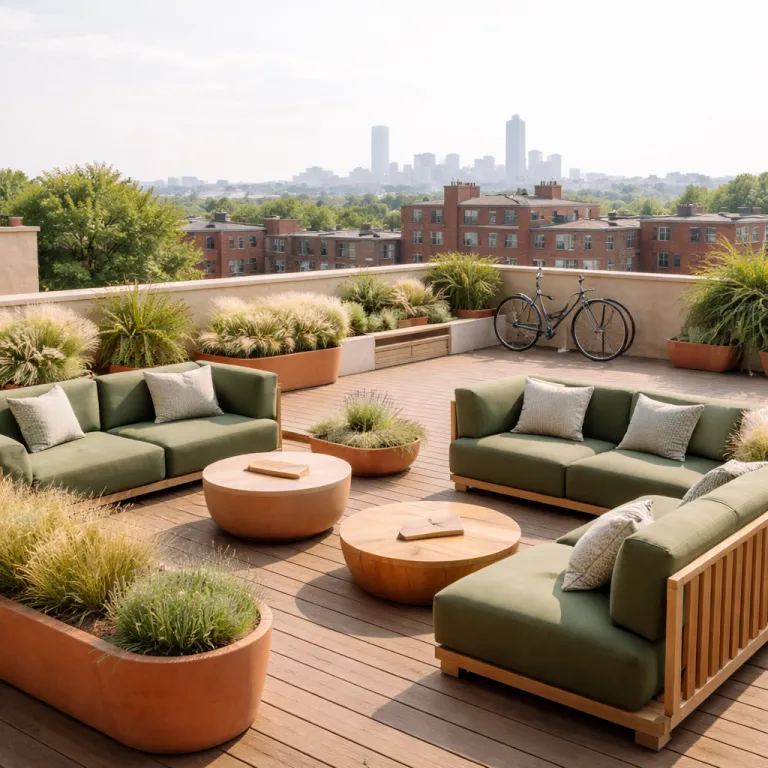
Upstairs, Foxglove Terrace stretches across the rooftop, offering a panoramic view that trades postcard harbor shots for rail lines, campus rooftops and the slow bend of the Charles. The bar’s contemporary artwork and layered seating make it a natural gathering space for both hotel guests and locals, which is exactly the point of a social hub concept. When you check availability for peak weekends, factor in that the rooftop has quickly become a destination in its own right, so booking a room gives you priority access to one of Allston’s most coveted spaces.
For solo travelers, these venues change the texture of a stay; you can slide from a quiet room with efficient air conditioning to a lively terrace without ever leaving the building, yet you never feel trapped in a resort bubble. Room service draws from Ama’s kitchen, so late night cravings are met with the same thoughtful cooking rather than a generic club sandwich. If you are structuring a multi stop New England itinerary, pairing nights at the Atlas with a refined coastal interlude at carefully chosen Cape Cod properties, such as those highlighted in this guide to elegant stays in Orleans, can create a satisfying contrast between urban energy and seaside calm.
Practicalities for solo explorers: rooms, transport and hidden gem access
For all its design talk, the Atlas Hotel Boston Allston still has to work on the basics, and it does. Guest rooms are sized intelligently for urban travel, with enough space for a proper work surface, generous luggage storage and a bed that feels closer to residential comfort than to standard hotel issue. Air conditioning is quiet and responsive, which matters in Boston’s humid summers when you return from a long visit to galleries or a late night show.
Transport logistics are straightforward; the distance to Harvard University’s main campus is walkable, and public transport links put you within easy reach of Fenway Park, the Museum of Fine Arts and downtown. The nearest MBTA Green Line stops, such as Harvard Avenue and Packard’s Corner, are typically 10 to 20 minutes away on foot depending on your route, and buses along Cambridge Street shorten the trip further. If you are arriving via Boston Logan or Logan International, you can usually reach the hotel in about 25 to 40 minutes by a combination of airport bus and subway, or opt for a rideshare if you prefer door to door convenience.
Inside the property, amenities are tuned to the independent traveler; room service is available but not overbearing, meeting rooms can double as quiet daytime workspaces and the fitness area is sized for real workouts rather than token treadmills. The hotel is pet friendly, which is a welcome detail if your version of solo travel includes a dog, though you should confirm any extra charge or policies at check time. Hidden gems are close at hand, from the graffiti walls along Cambridge Street to small galleries tucked into former warehouses, and staying at the Atlas means these places become part of your daily orbit rather than special excursions.
Rates, reviews and how Atlas reshapes Boston’s hotel landscape
Pricing at the Atlas Hotel Boston Allston reflects its positioning between traditional luxury and design forward lifestyle property. You will not find the lowest price in the city here, yet compared with a waterfront five star stay in the Seaport or a legacy address near Copley Square, the value proposition feels strong when you factor in architecture, neighborhood character and sustainability credentials. Recent sample searches on major booking engines show typical nightly rates starting in the mid to high $200s on quieter weeknights and climbing above $400 during peak weekends or university events, though exact prices vary by season and demand.
Early reviews from both leisure and business guests tend to highlight the same themes: thoughtful design, a sense of connection to Allston and a staff that understands the difference between polished service and stiffness. Comments often mention how the public spaces feel welcoming to solo travelers, with enough activity to avoid awkwardness but enough quiet corners to read or work. One frequently cited sentiment is that the hotel “feels like a neighborhood hangout that happens to have rooms upstairs,” a contrast to more formal Boston IHG properties downtown, where guests note that while those hotels may offer traditional club lounges, the Atlas wins on neighborhood immersion and contemporary design.
On a citywide level, the opening of the Atlas marks a shift in where developers and operators see opportunity, moving beyond the usual Back Bay and Seaport clusters. As more hotels follow into university adjacent districts, expect the mental map of where to stay in Boston to expand, with Allston, Brighton and even parts of Cambridge becoming standard options rather than outliers. For travelers, that means future trips can be structured around creative neighborhoods and local scenes, with the Atlas Hotel Boston Allston and its peers acting as anchors rather than exceptions.
Hidden gems near Atlas: where Allston rewards curiosity
Staying at the Atlas Hotel Boston Allston places you within a short walk of some of the city’s most under the radar experiences. Head toward Lower Allston and you will find small galleries, rehearsal spaces and experimental performance venues that rarely appear in mainstream guides but shape Boston’s cultural life. These are the kinds of places where a casual visit can turn into a long conversation with an artist or musician, and returning to your room afterward feels like closing the door on a very local chapter of the city.
Follow the river path east and the skyline shifts; you catch a different view of Harvard’s stadiums, the Business School and the emerging Enterprise Research Campus, all within easy distance of the hotel. Cross one of the bridges and you can reach Cambridgeport’s residential streets or pivot toward Fenway Park, where game days transform the atmosphere without requiring you to stay in a tourist heavy zone. For a quieter interlude, the green spaces along the Charles offer room to breathe, jog or simply sit with a coffee before heading back to your Boston base in Allston.
Food remains one of Allston’s richest hidden gem layers, and the Atlas staff are well placed to point you beyond the obvious. From late night Korean fried chicken to tiny ramen counters and vegan bakeries, the neighborhood’s restaurants form an edible atlas that complements Ama’s global kitchen rather than competing with it. As you check out after a few nights, you may realize that the most memorable parts of your stay were not the formal amenities but the way the hotel’s location and design nudged you toward streets, rooms and views you might otherwise have missed.
Key figures: Atlas Hotel Allston and Boston’s evolving stays
- The Atlas offers 246 guest rooms and 12 suites, a scale that positions it as a substantial yet manageable property compared with Boston’s mega hotels (figures reported in Boston based travel coverage and hotel disclosures).
- Approximately 4,800 square feet of meeting and event space allows the hotel to host small conferences and creative gatherings without turning into a pure convention property (as noted in regional hospitality reporting).
- Located at the gateway to Harvard’s Enterprise Research Campus, the hotel sits within roughly 1 kilometre of key Harvard University facilities, making it one of the closest full service hotels to the institution’s Allston expansion (based on publicly available city mapping data and walking route estimates).
- Planned LEED Gold and Fitwel certifications place the Atlas among a relatively small group of Boston hotels that pursue both energy efficiency and health focused building standards, reflecting the city’s broader push toward sustainable hospitality (as outlined in industry sustainability briefings and project announcements available at the time of publication).
FAQ: Atlas Hotel Boston Allston and nearby hidden gems
What amenities does The Atlas Hotel offer?
The Atlas Hotel Boston Allston provides 246 rooms, 12 suites, meeting spaces, a fitness center and a rooftop bar. For many travelers, the combination of guest rooms, social spaces and a strong restaurant means you can work, relax and dine without leaving the property. The presence of meeting rooms and a well equipped fitness center also makes the hotel suitable for both business and leisure stays.
Is The Atlas Hotel eco friendly?
Yes, the property has been described in developer and hospitality materials as pursuing LEED Gold and Fitwel certifications. The building is planned to operate on all electric systems, which reduces direct fossil fuel use compared with many older Boston hotels. For environmentally conscious guests, this makes the Atlas Hotel Boston Allston a compelling option when balancing comfort with lower impact travel.
Where is The Atlas Hotel located in relation to Harvard?
The Atlas stands at the gateway of Harvard’s Enterprise Research Campus in Allston. In practical terms, that means you can walk from the hotel to key Harvard University facilities on the Allston side in minutes, then cross the river to reach the main Cambridge campus. This proximity is particularly useful for visitors attending conferences, lectures or events linked to the university.
How easy is it to reach the Atlas from Boston Logan International Airport?
Travelers arriving at Boston Logan International Airport can reach the Atlas Hotel Boston Allston in around 25 to 40 minutes, depending on traffic and choice of public transport or rideshare. The most straightforward route combines the airport shuttle with the subway, followed by a short rideshare or walk from the nearest station. Those with heavy luggage or tight schedules often prefer a direct taxi or app based car, which drops you at the entrance where valet parking is available.
Is the Atlas Hotel suitable for solo travelers looking for hidden gems?
The Atlas Hotel Boston Allston is particularly well suited to solo travelers who want both comfort and access to less obvious parts of the city. Its location in Allston places you within walking distance of small galleries, music venues and local restaurants that rarely feature in standard tourist itineraries. Combined with welcoming public spaces and attentive yet relaxed service, this makes the hotel a strong base for exploring Boston’s quieter cultural layers.