Boston · Hotels
Mandarin Oriental Boston
A private door leads from the lobby straight into the Prudential Center, and Newbury Street...
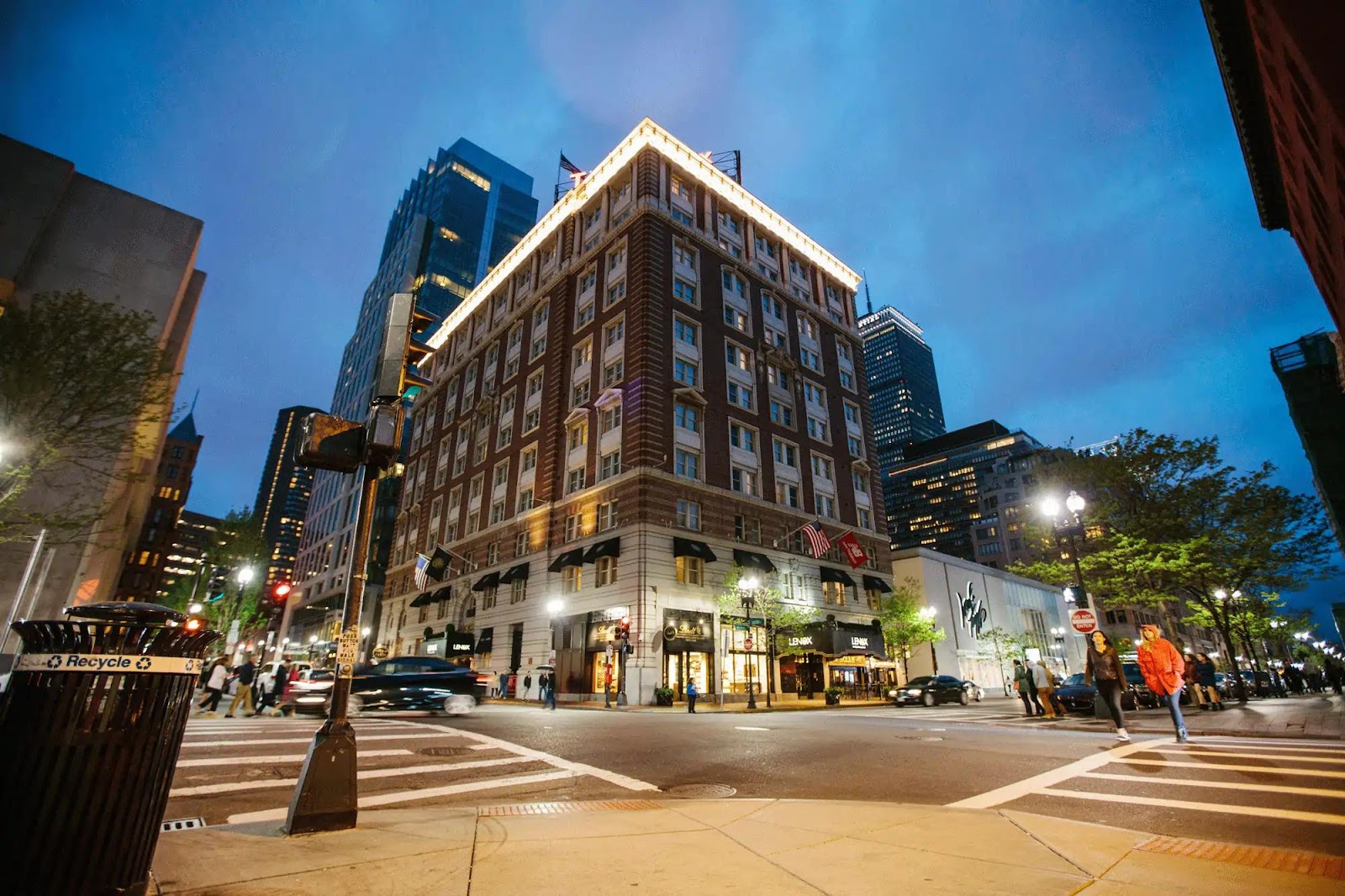
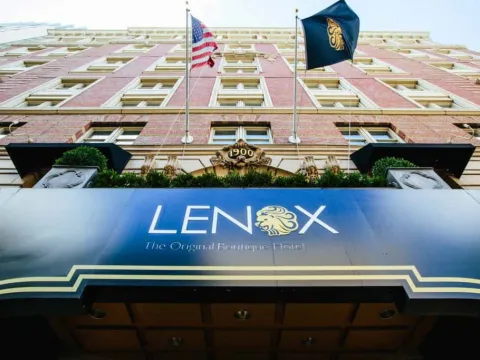
The Lenox was built in 1900 at the corner of Boylston and Exeter Streets for Lucius Boomer, who also ran the Waldorf Astoria in New York. Its white and red terra cotta facade climbs eleven storeys, enough to make it the tallest building in Boston when it opened, and the structure was raised by the George A. Fuller Company at a reported cost of more than a million dollars. Two features from that first construction are still in use: the glass domed function room on the ground floor, and a working Cutler mail chute, one of very few left in any hotel.
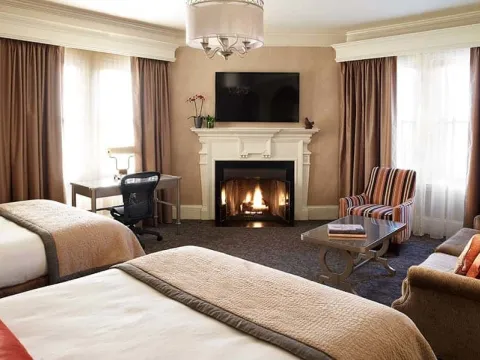
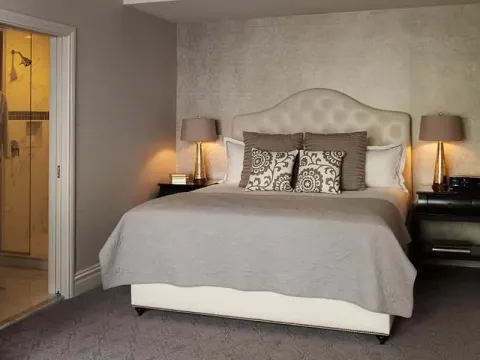
The house counts 214 rooms and four suites across those eleven floors, so it reads as a substantial hotel rather than a boutique conversion. Classic guestrooms sit alongside executive kings, and several corner suites keep working wood burning fireplaces, which is unusual in a city hotel of this size. One suite carries the name of Judy Garland, who stayed here for three months in 1965. Ceiling heights, bay windows and the original room proportions have been kept where the plan allowed.
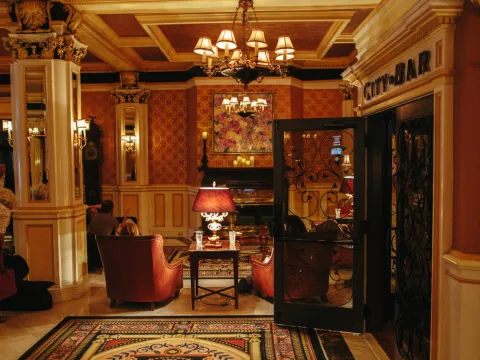
Willow and Ivy is the dining room, known locally for its lobster dinners. Sweeney’s is the pub, entered directly from Boylston Street and popular on game nights. Irving at Lenox is the third address, a bar that doubles as a private event space. Having three distinct rooms under one roof means guests are not tied to a single restaurant for the length of a stay.
The Saunders family bought the hotel in 1963 and still operates it through the Saunders Hotel Group. The consequence for a guest is continuity of staff and a house style that is decided in Boston rather than at a corporate head office. It also explains the preservation work: an independent owner had a reason to keep the mail chute, the dome and the fireplaces instead of stripping them out.
Copley Square, the Boston Public Library and Trinity Church are one to two blocks away. Newbury Street and its boutiques begin one block north. The Boston Marathon finish line is painted on Boylston Street less than a block from the entrance. Copley station puts the Green Line at the corner, and Back Bay station, a few minutes on foot, covers commuter rail and Amtrak. The Public Garden and the start of the Freedom Trail are a walk of about fifteen minutes east, and Fenway Park sits in the other direction.
It answers the Back Bay landmark brief precisely: a genuine historic building, independently run, with enough scale and enough dining to hold a long weekend, in the most walkable part of the city for a first visit. Travellers who want a modern waterfront tower will look elsewhere, and those who want provenance and a location beside Copley Square will find it here.
A private door leads from the lobby straight into the Prudential Center, and Newbury Street...
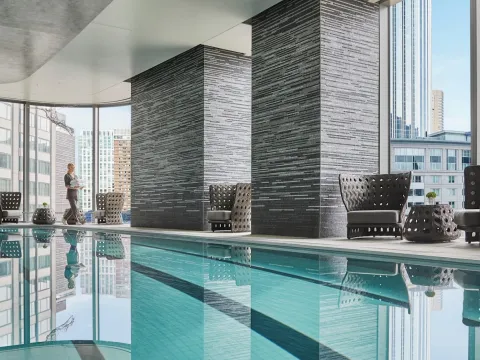
Forbes hands out five stars to a hotel and five more to a spa, and...
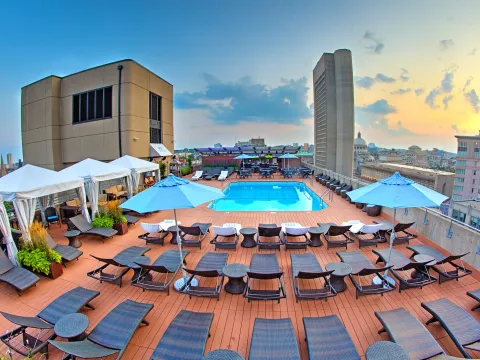
We selected The Colonnade for something few hotels in Boston can offer: a seasonal outdoor...
Built by our editors, free and without sign-up: answer a few questions and get a recommendation that fits your trip rather than everyone else's.
Where to stay in Boston, neighborhood by neighborhood, plus the shortlists and price data our editors keep up to date.