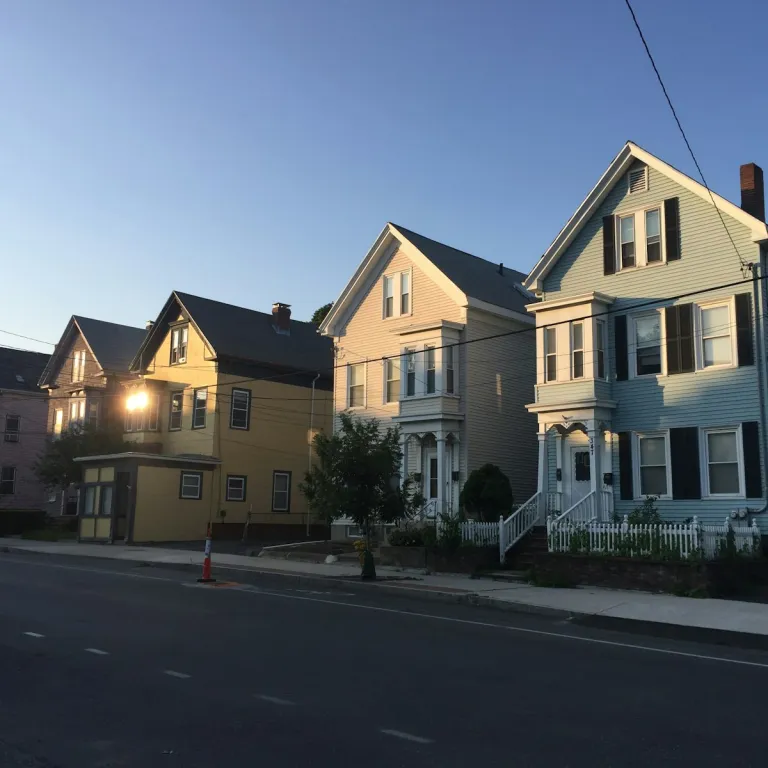
Top Dorchester Hotels in Boston: Where to Stay and Why
Our hotel picks in Dorchester
- The order is not a ranking. There is no first and no last.
- Every bracket is represented, from the cheapest bed in the area to its most expensive room.
- The selection is our editors’ choice. No algorithm, no guest-vote aggregation.
- We do not sell placement on this page.
- We keep one to two properties per group or brand.
- Links open the property’s page on Booking.com so you can compare live rates and dates.
| Hotel | Standing | Best for | Book |
|---|---|---|---|
| DoubleTree by Hilton Hotel Boston Bayside | 4-star | The only full-service hotel in Dorchester | Check availability |
| Ramada by Wyndham Boston | Mid-range | Visitors arriving by car | Check availability |
| Comfort Inn Boston | Budget | A simple low-cost base | Check availability |
| Boston Lodge and Suites | Budget | The cheapest night in the neighbourhood | Check availability |
DoubleTree by Hilton Hotel Boston Bayside
4-star · Best for: The only full-service hotel in Dorchester
What makes the difference? Next to UMass Boston and the JFK Library, with the Red Line shuttle that makes the neighbourhood workable without a car.
See rates and availability for DoubleTree by Hilton Hotel Boston Bayside →
Ramada by Wyndham Boston
Mid-range · Best for: Visitors arriving by car
What makes the difference? Straightforward rooms with parking, on the road side of the neighbourhood rather than the harbour side.
See rates and availability for Ramada by Wyndham Boston →
Comfort Inn Boston
Budget · Best for: A simple low-cost base
What makes the difference? Basic and reliable, aimed at travellers who will spend their days downtown.
See rates and availability for Comfort Inn Boston →
Boston Lodge and Suites
Budget · Best for: The cheapest night in the neighbourhood
What makes the difference? The lowest rates in Dorchester, with rooms that are plain but non-smoking and functional.
The editorial judgment of our newsroom — not user votes, not an algorithm. How we rate neighborhoods →
Why choose Dorchester for your Boston stay
South of the postcard-perfect brownstones, Dorchester offers a quieter, more spacious base for exploring Boston. You are still in the city, but the pace shifts; streets widen, the harbor air feels closer, and the skyline becomes something you look back at rather than live inside. For many travelers, that trade-off — a little distance from the city center in exchange for comfort and ease — is exactly what makes a hotel in Dorchester compelling.
Located roughly 15–20 minutes by car from Boston Common, the neighborhood sits between the downtown core and the broader sweep of Boston South and the bay. From here, you can reach the Museum of Fine Arts or Fenway Park without feeling trapped in the game-day or museum crowds. The area works especially well if you plan to split your time between the historic city center and the waterfront paths that run along Dorchester Bay and the Harborwalk.
For visitors comparing Boston hotels, Dorchester tends to suit travelers who value space, straightforward access to the interstate, and a more residential feel over being a minute walk from every landmark. It is not the address for those who want to step out directly into the theater district or Back Bay. It is, however, a smart choice if you prefer comfortable rooms, practical hotel features such as a fitness center or business center, and an easier arrival and departure by car within the United States.
The Dorchester hotel landscape at a glance
The hotel scene in Dorchester is compact. You will not find a long strip of competing properties as in Back Bay or near Boston Common. Instead, there are only a handful of hotels, generally in the mid to upper-mid range, with a mix of 3 and 4 star hotel options. That limited number has a clear upside: decision fatigue is low, and it is easier to match a property to your travel style.
Most hotels here are located close to major arteries and public transport rather than tucked into side streets. Expect buildings set near Morrissey Boulevard or just off Dorchester Avenue, with quick access to the Red Line that runs straight into the city center. The architecture is functional rather than theatrical; think clean façades, generous parking, and lobbies designed for efficient arrivals after a long flight across the United States.
Inside, the focus leans toward comfort and practicality. Rooms are usually well sized by Boston standards, with layouts that work for both business and leisure guests. You will often find on-site fitness facilities, simple places to enjoy breakfast before heading into Boston Public Garden or the museum district, and lounges that feel more like calm waiting rooms than buzzing social hubs. For travelers who prefer a composed, low-drama base, this is an advantage.
Top Dorchester hotels, ranked
- DoubleTree by Hilton Hotel Boston Bayside – 3-star, upper-midscale
Price range: typically mid-range for Boston (often lower than comparable Back Bay hotels)
Address: 240 Mount Vernon Street, Dorchester, MA 02125
Nearest Red Line station: JFK/UMass, about a 6–8 minute walk (approximately 0.3–0.4 miles, based on standard walking speeds and online map measurements)
Transit times: around 10–12 minutes on the Red Line to Downtown Crossing, 15–18 minutes to Park Street for Boston Common, according to typical MBTA schedules
Why stay: Reliable chain hotel with a fitness center, business center, and on-site dining, close to the Harborwalk and the UMass Boston campus. Guests driving into Boston usually find parking straightforward, and the location works well if you plan to split time between downtown and the waterfront. - Comfort Inn Boston – 3-star
Price range: budget to lower mid-range for the Boston area
Address: 900 Morrissey Boulevard, Dorchester, MA 02122
Nearest Red Line station: Fields Corner, roughly a 15–18 minute walk or a short rideshare (about 0.9 miles, as estimated via mapping tools)
Transit times: about 15–20 minutes from Fields Corner to South Station or Downtown Crossing under normal MBTA operating conditions
Why stay: Good value for drivers, with easy access to I-93, on-site parking, and straightforward routes toward downtown and the South Shore. The property functions well as a base for road trips that include Boston plus coastal towns to the south. - Ramada by Wyndham Boston – 2.5 to 3-star
Price range: generally budget-friendly for Boston
Address: 800 Morrissey Boulevard, Dorchester, MA 02122
Nearest Red Line station: Fields Corner, similar distance to Comfort Inn Boston (around 0.9 miles, 15–18 minutes on foot, based on online distance estimates)
Transit times: plan 15–20 minutes on the Red Line to reach central Boston stations in typical traffic and service conditions
Why stay: Practical choice for road trips, with family-friendly room options and simple access to both downtown Boston and Logan Airport via I-93. Travelers often use this hotel as a convenient overnight stop when driving between cities in the northeastern United States. - Holiday Inn Express Boston – 3-star, limited-service
Price range: mid-range, often between central Boston and budget Dorchester options
Address: 69 Boston Street, Boston, MA 02125
Nearest Red Line station: Andrew, usually around a 10–12 minute walk (roughly 0.5 miles, according to common map routes)
Transit times: about 8–10 minutes on the Red Line from Andrew to Downtown Crossing, based on standard MBTA travel times
Why stay: Although just north of traditional Dorchester, this hotel often serves the same guests comparing Dorchester and South Boston options. It offers a modern feel, breakfast included, and convenient access to both I-93 and the Red Line, making it a practical alternative if core Dorchester hotels are full. - Courtyard by Marriott Boston-South Boston – 3-star, business-focused
Price range: mid to upper-mid range for the broader Dorchester–South Boston area
Address: 63 R Boston Street, Boston, MA 02125
Nearest Red Line station: Andrew, typically a 10–12 minute walk (around 0.5 miles, based on mapping estimates)
Transit times: roughly 8–10 minutes on the Red Line from Andrew to Park Street for Boston Common, according to usual MBTA timetables
Why stay: Popular with business travelers who want a contemporary property with a fitness center, on-site dining, and reliable Wi‑Fi. The location near the highway and Red Line makes it a strong option if you are dividing your time between downtown meetings and destinations south of the city.
Location and access: from Dorchester to the city center
From a Dorchester hotel, the city unfolds in clear, manageable routes. The Red Line from nearby stations such as JFK/UMass, Fields Corner, or Ashmont connects you directly to Downtown Crossing, a short walk from Boston Common and the start of the Freedom Trail. Plan around 15–25 minutes on the train, depending on your exact starting point, plus a few minutes’ walk at each end. These times are based on typical MBTA schedules and may vary slightly with service changes, but the route itself is linear and predictable.
By car, Dorchester sits conveniently for those arriving from other states in the United States via I-93. You avoid some of the tight one-way streets that define central Boston hotels, and reaching the airport or heading south along the coast is relatively straightforward. The trade-off is that you will rely more on rideshares or the T for evenings in the North End, the Seaport District, or near the Museum of Fine Arts.
For harbor lovers, the proximity to Dorchester Bay is a quiet asset. A short drive brings you to the waterfront paths near Carson Beach, Malibu Beach, and the Harborwalk, where you can enjoy long views back toward the city skyline. If your ideal night includes a walk by the water rather than a late bar crawl, this location works in your favor. Just be aware that you are choosing a base slightly removed from the densest restaurant clusters in central Boston.
What to expect from rooms and hotel features
Rooms in Dorchester hotels tend to prioritize function over spectacle. Expect comfortable beds, straightforward layouts, and enough space to open a large suitcase without playing furniture Tetris. Many properties cater to both short city breaks and longer stays, so you will often find practical storage, work desks suitable for business travelers, and seating areas that make it easy to unwind after a day in the city center.
Hotel features usually include a fitness center, sometimes open around the clock, which is useful if you are crossing time zones to reach Boston United States. A business center is common as well, offering printing and quiet corners for last-minute presentations or travel admin. These are not resorts; they are urban bases designed to keep you efficient and rested between meetings, museum visits, or games at Fenway Park.
Public areas are generally calm and uncluttered. Breakfast rooms, small bars, or grab-and-go counters allow you to enjoy a simple start or end to the night without leaving the property. If you are used to the theatrical lobbies of a grand Boston hotel in Back Bay, the atmosphere here will feel more understated. For many guests, that understatement — and the sense of ease it brings — is precisely the point.
Who Dorchester hotels suit best
Travelers who value practicality over postcard views are the ones who benefit most from staying in Dorchester. If your days are structured around meetings in different parts of Boston, or if you are driving between cities in the northeastern United States, the location near major roads and the generally generous room sizes make strong sense. You can check in, spread out, and focus on your schedule rather than on navigating narrow downtown streets.
Families often appreciate the extra breathing room. Being slightly removed from the densest tourist zones means quieter nights and easier logistics with children, especially when returning late from a game near Fenway Park or an afternoon at the Museum of Fine Arts. The presence of fitness facilities and simple dining options on site also reduces the need to crisscross the city for every meal or activity.
On the other hand, if your idea of a Boston stay revolves around walking everywhere — from Boston Common to the waterfront, from the theater district to the Fine Arts institutions — Dorchester will feel like a deliberate compromise. You will rely more on the T or rideshares and plan your days in clusters rather than drifting spontaneously between neighborhoods. For some, that structure is welcome; for others, it is a constraint.
How to choose the right Dorchester hotel
Start with your daily rhythm. If you expect early departures into the city center, prioritize a hotel located within a short walk of a Red Line station such as JFK/UMass, Fields Corner, or Ashmont, so your commute to Boston Public Garden, downtown offices, or the Museum of Fine Arts stays simple. If you are driving, check how the property connects to I-93 and whether the access in and out feels intuitive; in Boston, a few minutes’ difference in road layout can change the feel of every night-time return.
Next, match hotel features to your priorities. A well-equipped fitness center matters if you want to maintain a routine during a long business trip, while a solid business center is more relevant if you will be working on site. Look closely at room descriptions to understand whether layouts favor solo business travelers, couples, or families needing extra sleeping options. In Dorchester, where the number of hotels is limited, these distinctions carry more weight.
Finally, consider how often you plan to enjoy evenings in the core of Boston. If you will be out late near Boston Common or in the Back Bay restaurant grid, factor in the return journey each night. Dorchester rewards travelers who are comfortable planning their movements: you gain comfort, space, and a calmer environment, but you give up the ability to step out of your hotel and be instantly in the thick of the city. For many, that is a trade worth making.
Is Dorchester a good area to stay in Boston?
Dorchester is a good area to stay if you value space, calmer streets, and straightforward access by car while still being within reach of the main Boston sights. You trade immediate proximity to the historic city center for more comfortable rooms, practical hotel features, and easier logistics, especially for business travelers and families.
How far is Dorchester from downtown Boston?
Dorchester is roughly 15–25 minutes from downtown Boston by public transport, depending on your exact starting point and the Red Line station you use. By car, the journey to areas around Boston Common or the financial district typically takes a similar amount of time outside peak traffic.
Are Dorchester hotels suitable for business travelers?
Hotels in Dorchester are well suited to business travelers who need reliable access to different parts of the city and to major roads. Many properties offer a business center, meeting-friendly public spaces, and fitness facilities, making them practical bases for work-focused trips.
Is it easy to reach Boston attractions from Dorchester?
Reaching major Boston attractions from Dorchester is straightforward if you plan your routes. The Red Line connects you to downtown for Boston Common, while short car or train rides bring you to the Museum of Fine Arts, Fenway Park, and other key sites, though you will not be within a minute walk of most landmarks.
Who should avoid staying in Dorchester?
Travelers who want to walk everywhere and be immersed in the densest restaurant and nightlife districts may find Dorchester less convenient. If your priority is to step out of your hotel directly into Back Bay, the North End, or the theater district, a more central Boston hotel will suit you better than a property in Dorchester.
Other Boston neighbourhoods
Not sure Dorchester is the right base for your trip? These guides cover the neighbourhoods travellers most often weigh against it.