Planning where to stay in Boston? Discover the best hotels in the Boston Theater District, with walking times to major theaters, what the area feels like, and who this lively downtown neighborhood suits best.
Best Hotels in Boston Theater District: Where to Stay and Why It’s a Smart Base
Our hotel picks in the Theater District
How this shortlist is put together- The order is not a ranking. There is no first and no last.
- Every bracket is represented, from the cheapest bed in the area to its most expensive room.
- The selection is our editors’ choice. No algorithm, no guest-vote aggregation.
- We do not sell placement on this page.
- We keep one to two properties per group or brand.
- Links open the property’s page on Booking.com so you can compare live rates and dates.
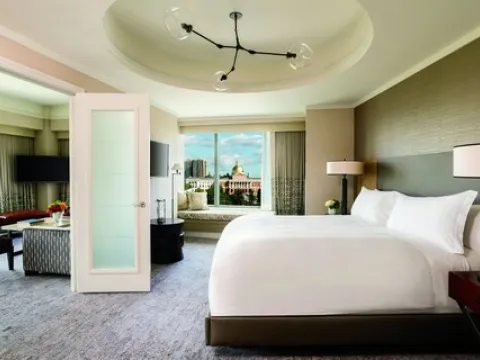
The Ritz-Carlton, Boston
5-star · Best for: The only five-star address inside the district
What makes the difference? It is the one genuinely five-star property physically inside the Theater District, on Avery Street by the Common.
See rates and availability for The Ritz-Carlton, Boston →
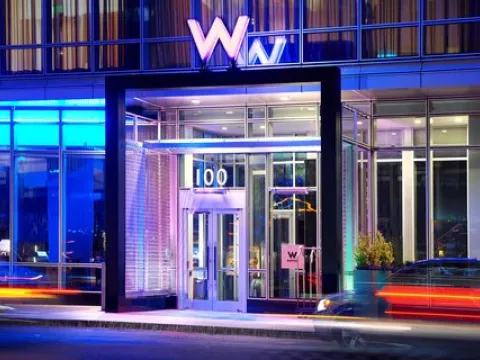
W Boston
4-star · Best for: Late nights on Stuart Street
What makes the difference? Built for people who go out after the curtain, with the bar and the theatres on the same block.
See rates and availability for W Boston →
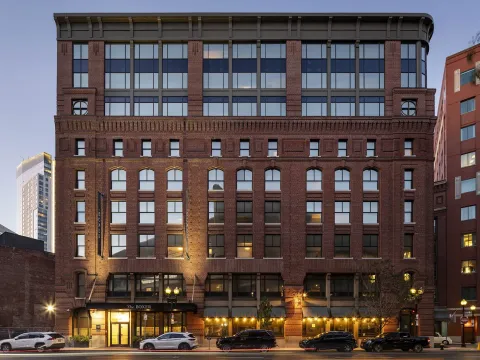
Revere Hotel Boston Common
Upscale · Best for: Families who need larger rooms
What makes the difference? Its 356 rooms and suites run bigger than most comparable downtown hotels, which matters with children.
See rates and availability for Revere Hotel Boston Common →
Hilton Boston Park Plaza
4-star historic · Best for: A large, central, well-priced base
What makes the difference? A national historic building two minutes from the theatres, usually cheaper than the luxury tier.
See rates and availability for Hilton Boston Park Plaza →
Moxy Boston Downtown
Mid-range · Best for: The best-rated budget-conscious pick
What makes the difference? Small rooms, strong guest ratings, and a price that leaves budget for tickets.
See rates and availability for Moxy Boston Downtown →
Found Hotel Boston Common
Budget · Best for: The cheapest central bed
What makes the difference? A hostel-hotel hybrid in the heart of the district for travellers who only need somewhere to sleep.
See rates and availability for Found Hotel Boston Common →
Our neighborhood rating — Theater District
Location & sightseeing★★★★½ 4.5/5
Dining & nightlife★★★★½ 4.5/5
Calm & local character★★☆☆☆ 2/5
Hotel value for money★★★☆☆ 3/5
The editorial judgment of our newsroom — not user votes, not an algorithm. How we rate neighborhoods →
Why the Boston Theater District is a smart place to stay
Step out of your hotel and straight into the glow of marquee lights in the Boston Theater District. Staying here means you sleep in the same grid of streets where the city actually goes out at night, with Boston hotels clustered around major venues and Boston Common. Washington Street, Tremont Street, and Stuart Street form a compact triangle between the park and Chinatown that concentrates many of the city’s major theaters within a few minutes’ walk.
For travelers deciding where to book a Boston hotel, this district is a strong alternative to the more corporate downtown Boston core or the quieter Back Bay streets. You are still in the heart of Boston’s downtown, but the rhythm is different: curtain times, late suppers, post-show cocktails. Guests who like to walk Boston will appreciate that you can reach Boston Common in roughly a 5 to 7 minute walk from most district hotels, and the Financial District or the edge of the Seaport in about 15 minutes on foot.
This area suits travelers who want a good balance between culture and convenience. You can find a hotel Boston address here that works as a base for both sightseeing and evenings out, without needing a car. If your priority is absolute quiet or a residential feel, another neighborhood may suit you better; if you want to feel plugged into the city’s nightlife and theatre scene, the Theater District is one of the top choices in Boston.
Atmosphere, streets, and what it feels like to stay here
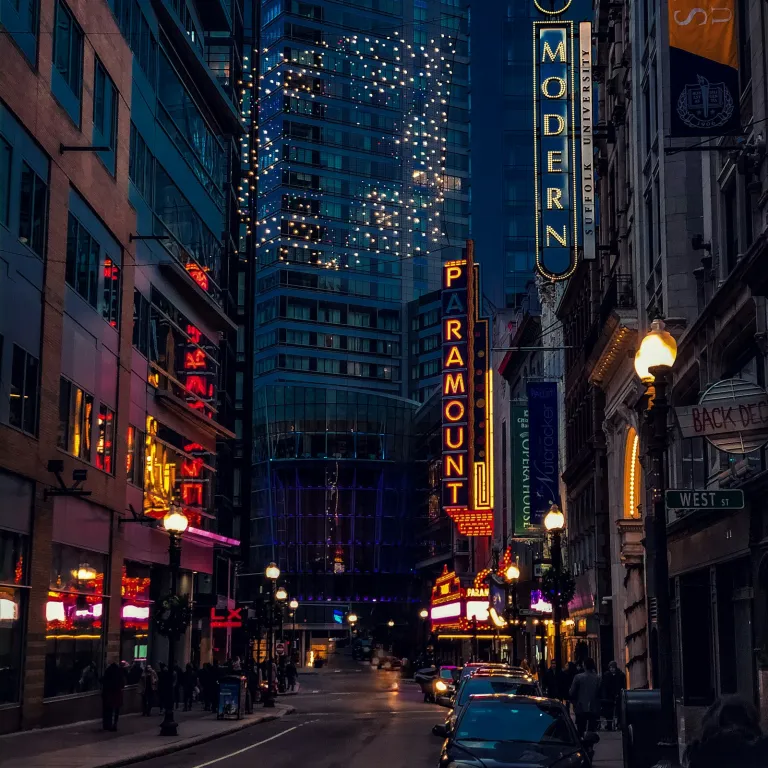
Neon from the Citizens Bank Opera House sign reflecting on wet pavement after a matinee, the crowd spilling out of the Charles Playhouse on Warrenton Street, the discreet line of guests waiting for rides on Tremont Street after a late show – this is the daily backdrop when you stay in the Theater District. The area feels compact and vertical, with historic façades, newer glass towers, and a constant flow of theatergoers, students, and office workers.
By day, you are effectively in downtown Boston: coffee queues, business meetings, and a steady stream of visitors walking from South Station up toward Boston Common. At night, the mood shifts. Theaters such as the Cutler Majestic and other Boston theatre venues anchor the streets, while nearby restaurants fill with pre-show diners. It is lively, sometimes noisy, and very urban. If you prefer a hushed, residential environment, this may not be your first choice.
For many guests, that energy is precisely the appeal. You can walk Boston from here in every direction: about 10 minutes to the edge of the Back Bay, roughly the same to the waterfront by way of the Greenway, and a short minute walk to the Common for a morning run. The district Boston grid is easy to navigate, and you are rarely more than a few blocks from a subway station such as Boylston (Green Line), Chinatown (Orange Line), or Downtown Crossing (Red and Orange Lines), which makes this one of the most practical areas for first-time visitors who want to explore multiple neighborhoods without constant transfers.
What to expect from hotels in the Theater District
Rooms in the Theater District tend to be designed for urban stays rather than resort-style lingering. Expect efficient layouts, contemporary décor, and a focus on making a relatively compact room feel comfortable and functional. Many properties lean into a modern, design-forward aesthetic, with clean lines, darker palettes, and city views over Washington Street or toward the towers of downtown Boston.
District hotels here generally cater to a mix of leisure and business guests. You will see theater fans in evening wear sharing elevators with conference attendees and weekend city-break couples. Public spaces often double as social hubs: lobby bars that stay busy after the last curtain call, lounges where guests check messages between meetings, and breakfast areas that turn into cocktail spaces by late afternoon. If you value a quiet, residential-style lobby, you may want to check photos carefully before booking.
Room categories usually range from compact queen rooms to more generous corner layouts with better light and a wider city outlook. Some hotels in this part of Boston position their higher floors as the top choice for travelers who want a sense of escape from the street energy below. When you compare Boston hotels in this district, pay attention to room size, soundproofing, and whether the property emphasizes nightlife, business facilities, or a more relaxed, residential feel – those details will shape your stay more than the star rating alone.
Location advantages: walking, culture, and access
From a purely practical standpoint, the Theater District is one of the best located areas for a short stay in Boston. You are a few blocks from Boston Common, which anchors the start of the Freedom Trail and offers a rare patch of green in the middle of the city. A 10 to 15 minute walk brings you to the edge of the Back Bay near Arlington Street, while heading the other way along Washington Street leads you into the Financial District and, beyond that, toward the harbor and bay.
The concentration of theaters is the defining feature. The Citizens Bank Opera House at 539 Washington Street, the Emerson Cutler Majestic Theatre at 219 Tremont Street, and the Charles Playhouse at 74 Warrenton Street sit within a tight radius, so guests can leave their room, walk to a show in under 10 minutes, and be back at their hotel before the post-performance crowds thin out. For visitors planning several nights of performances, this proximity is a major advantage over staying in more distant neighborhoods and commuting in each evening.
Transport connections are strong. Multiple subway lines intersect within a short walk, making it easy to reach the North End, Cambridge, or the Seaport without changing hotels Boston mid-stay. If you like to explore on foot, you can treat your Theater District hotel as a central hub: one day walking toward the historic North End, another toward the contemporary galleries and restaurants closer to the waterfront. For travelers who value time and simplicity, this centrality often outweighs the slightly more intense street life compared with quieter residential districts.
Who the Theater District suits best – and who should look elsewhere
Travelers who plan their trip around performances, dining, and city life are the natural fit for a hotel Boston address in the Theater District. If your itinerary includes multiple shows at Boston theatres, dinners near Tremont Street, and late walks back through the glow of downtown, staying here keeps everything within a short radius. Guests who enjoy people-watching and a sense of urban theater outside the actual stages will feel at home.
Families with young children or very light sleepers may prefer a different part of Boston, especially if they prioritize early nights and quiet streets. The district’s popularity means there is often activity late into the evening, particularly on weekends and when major productions are in town. In that case, a property on a side street rather than directly on Washington or Stuart Street can be a good compromise, offering access to the theaters without the same level of street noise.
Business travelers often choose this area when they want to be close to downtown Boston offices but avoid a purely corporate environment. You can attend meetings in the Financial District by day and walk back to your room in time to change for a show. For first-time visitors deciding between Back Bay, the waterfront, and the Theater District, the trade-off is clear: Back Bay offers more classic brownstone charm, the harbor area offers water views toward the bay, while the Theater District delivers the most immediate access to Boston’s performing arts and a dense, walkable urban grid.
How to choose the right Theater District hotel for your stay
Start with your priorities. If you are here primarily for performances, check the walking distance from the hotel to the specific venues on your list, such as the Charles Playhouse or the Cutler Majestic Theatre. A difference of just a few blocks can matter on a cold winter night or after a long day of sightseeing. Look at maps rather than relying only on generic descriptions like “near theaters” or “downtown Boston”.
Next, consider the style of stay you want. Some properties in the area lean into a lively, social atmosphere with active lobby bars and music in the evenings, which many guests find energizing after a day exploring Boston Common and the surrounding neighborhoods. Others keep public spaces more restrained and focus on calm rooms and efficient service. Reading a range of guest reviews can help you understand whether a hotel’s personality matches your own preferences.
Finally, pay attention to practical details that affect comfort in a dense urban district. Sound insulation, blackout curtains, and the orientation of the room (street-facing versus interior or higher floor) can make a noticeable difference to your sleep. If you plan to walk Boston extensively, look for a property that offers easy access to multiple subway lines so you can reach other popular areas such as the North End, the Seaport, or Cambridge without complicated transfers. A well-chosen Theater District hotel becomes not just a place to sleep, but an efficient, atmospheric base for experiencing the city.
Best Hotels in Boston Theater District: is this area a good choice to stay?
Staying in the Boston Theater District is an excellent choice if you want a central, walkable base with immediate access to major theaters, Boston Common, and the downtown core. The area offers a dense concentration of hotels, strong transport links, and a lively evening atmosphere shaped by performances and dining. It suits travelers who enjoy urban energy and plan to make full use of the city’s cultural scene, while those seeking a quieter, more residential environment may prefer neighborhoods like Back Bay or the waterfront. For most visitors who value convenience, culture, and the ability to walk Boston easily, the Theater District is one of the most compelling places to book a hotel.
- Hyatt Regency Boston, 1 Ave de Lafayette – Upper-midrange; strong value for central Boston. USP: Direct indoor connection toward the Theater District and Downtown Crossing. Pro: Easy walk to Boston Common and multiple subway lines; Con: business-focused style may feel less boutique.
- W Boston, 100 Stuart Street – Upscale; typically higher nightly rates. USP: Trendy lobby bar and spa steps from Tremont Street theaters. Pro: Lively nightlife and stylish rooms; Con: weekend noise can be noticeable for light sleepers.
- Moxy Boston Downtown, 240 Tremont Street – Midrange; compact rooms with modern design. USP: Playful, social vibe right in the Theater District Boston core. Pro: Excellent location for shows and dining; Con: smaller room sizes than traditional hotels.
- DoubleTree by Hilton Hotel Boston – Downtown, 821 Washington Street – Midrange; often family-friendly pricing. USP: Between Chinatown and the Theater District with easy access to both. Pro: Reliable chain comforts and convenient subway access; Con: décor feels more conventional than design-forward neighbors.
- The Godfrey Hotel Boston, 505 Washington Street – Upper-midrange boutique. USP: Stylish rooms near Downtown Crossing, a short walk from major Boston theatre venues. Pro: Strong mix of shopping and theater access; Con: Washington Street can feel busy at peak times.
Approximate walking times from a central Theater District hotel:
- Boston Common (Tremont & Boylston corner): 5–7 minutes
- Citizens Bank Opera House (539 Washington St): 3–6 minutes
- Emerson Cutler Majestic Theatre (219 Tremont St): 2–4 minutes
- Charles Playhouse (74 Warrenton St): 4–6 minutes
- Downtown Crossing (Red/Orange Line): 6–8 minutes
- South Station (Amtrak/commuter rail): 10–15 minutes
Is the Boston Theater District safe for hotel guests?
The Boston Theater District is a busy central area with a steady flow of theatergoers, office workers, and visitors, especially around show times. Like any downtown district, it is wise to stay aware of your surroundings, but the presence of multiple venues, restaurants, and hotels keeps the streets relatively active into the evening. Most guests find it comfortable to walk between their hotel, Boston Common, and nearby theaters, particularly along main streets such as Washington and Tremont.
How far is the Theater District from Boston Common and other sights?
The Theater District borders the southern edge of Boston Common, and many hotels are within a 5 to 10 minute walk of the park. From this area, you can reach the Financial District in about 10 to 15 minutes on foot, the Back Bay in roughly the same time, and the waterfront and harbor area in around 15 to 20 minutes depending on your exact starting point. This central position makes it easy to explore multiple neighborhoods without changing hotels.
Is the Theater District better than Back Bay or the waterfront for a first visit?
The Theater District is better for travelers who prioritize performances, nightlife, and a dense, walkable downtown environment, while Back Bay excels at classic Boston streetscapes and shopping, and the waterfront offers harbor views and a more open feel. For a first visit focused on culture and convenience, the Theater District works very well because you can walk to Boston Common, major theaters, and much of downtown Boston. If you prefer quieter evenings and more residential surroundings, Back Bay or the harbor area may be a better fit.
Yes, the Theater District is one of the most walkable bases in the city. From most hotels, you can reach Boston Common in minutes, continue along the Freedom Trail, or head toward the North End, the Financial District, or the Back Bay without needing transport. Many guests choose this area specifically because it allows them to walk Boston extensively and use the subway only for longer trips to places like Cambridge or more distant neighborhoods.
Are there quiet hotel options within the Theater District?
While the Theater District is generally lively, some hotels are set on side streets or offer rooms facing interior courtyards or higher floors, which can feel noticeably quieter than those directly on Washington or Stuart Street. When choosing a property, it is worth checking room descriptions and guest feedback for comments on noise levels and asking for a room away from the busiest streets if you are a light sleeper. This way, you can enjoy the district’s central location and theater access while still having a calm place to return to at night.
Other Boston neighbourhoods
Not sure the Theater District is the right base for your trip? These guides cover the neighbourhoods travellers most often weigh against it.
All Boston neighbourhoods, side by side