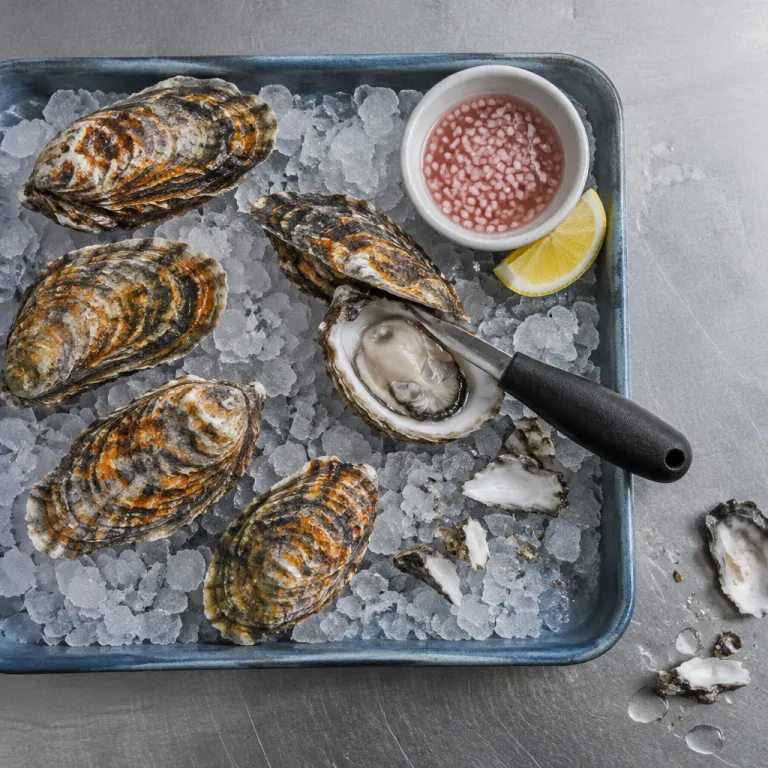
Why Boston hotels shine in cold-month oyster season
Cold water changes everything about a raw oyster on the half shell. As temperatures drop along the New England coast, oysters stop putting energy into spawning and start building glycogen, which gives that sweet, briny flavor and firm texture couples chase at every serious raw bar. For a winter stay in a Boston hotel with a strong oyster bar, this is the time when a dozen raw oysters on ice in a polished lobby bar feels like the city’s most understated luxury.
Peak Wellfleet oyster season typically runs from October through April, when Cape Cod Bay’s high salinity and cold tides shape a clean mineral finish and full flavor. Boston hotel restaurants lean into this window, working with licensed shellfish farms and seafood shippers who maintain a strict cold chain from tidal flats to marble bar tops, so the freshest seafood reaches your table with its character intact. When you plan a stay, ask the concierge which nights the chef focuses on raw oysters and whether the oyster bar brings in special cold-water varieties for the weekend service.
Local Wellfleet oyster farmers cultivate their shellfish in tidal flats with salinity around 28 parts per thousand, a level cited by Massachusetts Division of Marine Fisheries reports as typical for the area, which helps create that signature balance of sweetness and brine. Boston hotel raw bars then serve these oysters on the half shell, often alongside littleneck clams and jumbo clams on crushed ice, turning a simple pre-dinner stop into a full sensory experience. Farmed oysters are harvested under year-round safety rules; wild shellfish are more closely monitored for Vibrio bacteria from roughly May through October according to state guidance, so the cold months feel both indulgent and reassuring for guests who want to eat confidently at the bar.
Reading the raw bar: what to order, how to eat
Standing at a Boston raw bar counter in winter, you can read the season in the shell. The shucker’s chalkboard usually lists a short cast of cold-water oysters, often including Wellfleets and other regional names, plus raw oysters from further north that thrive in icy currents. For couples using a hotel with a serious oyster bar as their base, this board becomes a nightly ritual rather than a rushed pre-theater checklist.
Look first for provenance and handling rather than the longest list of oysters or clams on offer. A strong program will mention direct farm delivery, Island Creek–style partnerships with specific growers, and the use of icing or ice slurry to keep every creek oyster at the right temperature from dock to restaurant. When a chef or server can explain which oysters will taste lean and briny and which carry more full flavor sweetness, you know the freshest seafood has been treated with respect.
Many Boston hotel restaurants now treat the raw bar as a stage rather than a side counter, with the oyster bar positioned where you can watch the shuckers work. Order a mix of raw oysters and littleneck clams, then taste them naked before you reach for lemon or mignonette, so the natural flavor has its moment. For a deeper seasonal context on how hotel kitchens handle the rest of the New England harvest, read this guide to how Boston hotel kitchens cook the New England autumn and pair your shellfish with something warm from the stove.
Choosing a hotel for serious oysters and a winter walk home
For a couple planning a romantic weekend, the right Boston hotel with a winter raw bar turns a craving into a theme. Some luxury properties now build their lobby restaurants around a central oyster bar, where a chef with real seafood credentials curates a tight list of oysters best suited to the cold months. Others sit a short walk from the city’s classic raw bar institutions, such as the Island Creek Oyster Bar legacy at The Hotel Commonwealth or the seafood counters near the Boston Harbor Hotel, letting you eat out in the neighborhood and then return to a quiet room while the harbor wind sharpens outside.
When you compare options, ask direct questions before you book and contact the concierge by email or phone. Does the hotel run its own raw bar with daily deliveries from Wellfleet oyster farmers or Island Creek–style partners, or does it rely on a single generic seafood supplier? Will the restaurant hold a table for you at the bar if you arrive late from a flight, and can the team talk you through which oysters will be at their peak that night? Clear answers reveal whether the property treats shellfish as a headline act or a passing trend.
Location still matters, especially if you want to pair oysters with a game or a concert and then walk back through the cold. Properties near the Back Bay, Seaport, and Fenway corridors put you within easy reach of several respected restaurants that serve raw oysters, littleneck clams, jumbo clams, and other freshest seafood with care. If you are planning a sports-focused stay, this guide to hotels near Fenway Park helps you balance stadium access with a serious oyster bar scene.
The romance of winter oysters for two
There is a particular intimacy to sharing raw oysters when the city air bites. You step in from the cold, coats shrugged off, and the bar greets you with the soft clatter of shells and the low murmur of guests who know this is the best time for New England seafood. In that moment, a Boston hotel with a lively raw bar feels less like a place to sleep and more like a private club built around the pleasure of a dozen on ice.
Order slowly and let the evening stretch, starting with a half dozen Wellfleets or another cold-water creek oyster, then adding more as you talk and watch the shucker work. A thoughtful chef might send out a small taste of something warm from the kitchen, a contrast that highlights the full flavor and firmness of the raw oysters against the comfort of cooked dishes. Couples often find that oysters will set the tone for the night, not as a cliché but as a quiet ritual that marks the start of winter travel together.
Back upstairs, the short walk from restaurant to room becomes part of the experience, especially when the hotel’s corridors are hushed and the city’s wind presses against the windows. You have eaten the freshest seafood in its prime season, paired with a glass or two, and there is nothing left to schedule. That simplicity — bar, oysters, conversation, then bed — is why many travelers now choose hotels where the oyster bar is as important as the view.
Insider tips: working with chefs, farmers, and the city’s raw bars
Behind every polished hotel oyster bar in Boston sits a network of Wellfleet oyster farmers, seafood shippers, and chefs who care about the details. Cold chain refrigeration, careful icing, and direct contact with licensed shellfish farms mean that by the time you sit at the bar, the work of keeping oysters raw and safe has already been done. For couples, understanding this backstage effort adds another layer of appreciation to the experience.
Ask your server where the oysters came from that day and listen for specifics rather than vague coastal references. When a team mentions Island Creek partnerships, triploid oysters used to maintain quality in summer, or a long relationship with a particular creek oyster grower, you are hearing the vocabulary of a restaurant that treats shellfish as a craft. Some Boston hotel raw bars even highlight names like Jeremy Sewall or other chefs who helped shape the city’s seafood culture, and while you may not meet Jeremy Sewall in person, his influence often shows in how the menu balances raw bar classics with cooked seafood.
For guests who want to go deeper, consider timing your stay to the heart of the season and building one evening entirely around the bar raw counter. Start with a reservation for a high table near the shucker, then ask the staff to guide you through oysters best suited to that night’s conditions, plus a few littleneck clams or jumbo clams for contrast. When you leave, take a moment to thank the team and, if you loved the service, ask how to contact the restaurant directly next time so they remember your preferences and hold your favorite table.
FAQ
When is the best time to order oysters in Boston hotels ?
The peak season for cold-water oysters served in Boston hotels runs from roughly October through April, when coastal waters are cold and the shellfish build glycogen instead of spawning. During these months, Wellfleets and similar varieties tend to be sweet, briny, and firm, which makes them ideal for raw bar service. Many travelers plan their winter oyster bar hotel stays around this window to enjoy oysters at their textural and flavor peak.
What do Wellfleet oysters usually taste like in winter ?
Wellfleet oysters from Cape Cod Bay are known for a balance of sweetness, salinity, and a clean mineral finish. In the cold months, that profile becomes more pronounced, with a firmer bite and full flavor that stands up well to a simple squeeze of lemon or a classic mignonette. Guests often find that these oysters will pair beautifully with a crisp white wine or a dry sparkling glass at the hotel bar.
Are raw oysters safe to eat year-round in Boston ?
Boston hotels and restaurants work with licensed farms and follow strict cold chain practices to keep raw oysters safe throughout the year. Farmed oysters are harvested under regulations that monitor water quality and temperature; wild ones are more closely tracked for Vibrio risk from late spring through early fall, which is why many travelers feel especially comfortable ordering raw oysters during the colder months. If you have concerns, ask the staff about sourcing and handling, and choose properties that highlight their partnerships with reputable growers.
How should couples order at a hotel raw bar for the first time ?
Start modestly with a half dozen oysters, ideally a mix of two or three cold-water varieties, and taste each one plain before adding condiments. Ask the server which oysters best show the season’s character that night and whether littleneck clams or jumbo clams would make a good contrast on your platter. From there, you can order more of your favorites and build a relaxed, shared experience around the bar.
What makes a hotel a good base for oyster-focused travel in Boston ?
A strong Boston oyster hotel either runs a serious in-house raw bar or sits within a short walk of respected seafood restaurants. Look for properties that highlight their relationships with local farms, mention specific regions like Wellfleet or similar cold-water areas, and show that the chef treats shellfish as a core part of the menu. When a concierge can talk confidently about where to eat oysters best in the neighborhood, you have likely found the right place to stay.