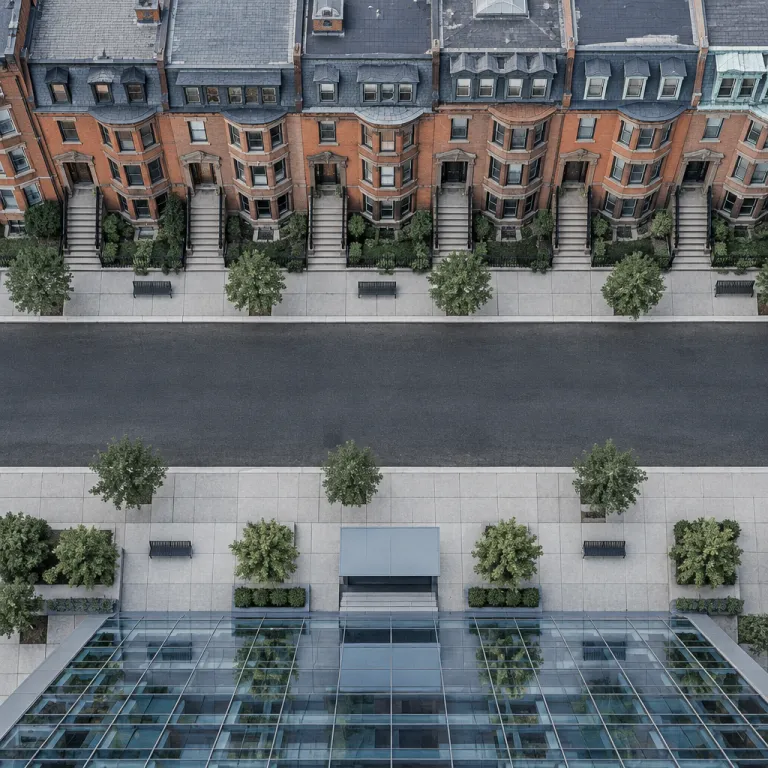
Why a Boston hotel architecture design walk belongs on your itinerary
Boston rewards travelers who slow their pace and walk. A carefully planned Boston hotel architecture design walk lets you read the city’s story through its hospitality buildings, one street and one façade at a time. For a solo explorer, this becomes less a tour and more a quiet conversation with the city and its layered history, where each building reveals a different chapter of local life and urban development.
Think of each hotel building as a chapter in Boston’s history, written in brick, glass, and stone. The compact scale of the city center means you can move from a nineteenth century hill townhouse to a contemporary hotel tower in under fifteen minutes, without ever needing a car. That proximity turns your stay into an ongoing design seminar, where every corner offers new photos and fresh context drawn from real estate development, neighborhood change, and the city’s evolving skyline.
On this walk, you are not just choosing a hotel in Boston; you are choosing which era of development you want to wake up inside. Some travelers gravitate toward a boutique hotel with an ornate exterior and art deco echoes, while others prefer a center hotel with clean lines and river light. Either way, the right location in Boston shapes your time in the city as much as any restaurant reservation, especially when you treat each lobby as a small gallery of Boston architectural ideas and a lens on the city’s broader story.
Beacon Hill to Back Bay: brick, brownstone, and the city’s early stories
Begin on Beacon Hill, where the city’s most photographed brick buildings climb the slope above the Charles River. This is where a Boston hotel architecture design walk feels most intimate, because many properties occupy former townhouses only three stories high, their scale closer to a private home than a conventional hotel. Narrow streets, gas lamps, and layered history create a setting that quietly encourages you to extend your stay and imagine earlier residents from Paul Revere’s era walking nearby.
Charles Street forms the neighborhood spine, lined with local shops, small cafés, and a handful of discreet hotels that blend into the historic fabric. Here, a design hotel might keep original brick walls and wood beams, then add contemporary lighting and restrained art deco details to signal a new chapter. When you compare these buildings with the grander addresses in Back Bay, you see how Boston architectural choices mirror shifts in wealth, real estate speculation, and urban development over time, as documented in Boston Planning & Development Agency reports and local history archives.
From Beacon Hill, cross into Back Bay where the grid widens and the architecture grows more confident. The brownstone hotel façades here often feature carved stonework and an almost European sense of proportion, especially along streets leading toward the Charles. If you are timing a foliage escape and want more guidance on seasonal color and hotel choices, this detailed guide to planning a peak week Boston stay pairs well with an afternoon spent reading façades, tracing the neighborhood’s real estate story, and planning photos.
From grand dames to glass: how hotel buildings frame your stay
Leaving the brick lined hill behind, your Boston hotel architecture design walk should next pass one of the city’s classic center hotel properties. These grand dames usually occupy prominent corners, with an ornate exterior that announces their role in the city’s social history. Step inside for a coffee and you will feel how the building’s volume, ceiling height, and lobby design shape your sense of time and occasion, much as case studies in American Institute of Architects Boston chapter tours describe when they trace the city’s architectural history.
Contrast that with a contemporary hotel in the Seaport or Fort Point, where glass curtain walls and sharp angles speak the language of recent development. Here, Boston architectural priorities shift toward daylight, harbor views, and sustainability, with many buildings pursuing LEED certification and integrating efficient systems behind the scenes. The stay experience becomes about views, wellness amenities, and flexible public spaces rather than creaking staircases and fireplaces that tell an older story, echoing national trends seen in work by Marlon Blackwell and other Blackwell Architects projects that explore urban hospitality design.
For solo travelers, the choice between a converted townhouse hotel and a tower can be decisive. A smaller building on a quiet street near Beacon Hill or Charles Street offers intimacy, staff who quickly recognize you, and a sense of being folded into local life. A taller design hotel near the waterfront offers anonymity, skyline photos, and the kind of amenities that suit an anniversary weekend, especially if you pair it with this curated guide to romantic Boston suites and walks that highlight how location in Boston shapes each evening.
Waterfront glass and hidden gems along the Charles River
As your Boston hotel architecture design walk bends toward the water, the skyline shifts from brick to glass. Along the Charles River, several hotels use stepped terraces, reflective façades, and carefully framed views to connect guests with the water and the city beyond. These buildings often sit at the intersection of hospitality and real estate strategy, anchoring new districts and signaling confidence in the city’s future as described in Boston Landmarks Commission and BPDA planning documents that track long term development.
In the South Boston Waterfront and Seaport, you will find a cluster of contemporary hotel towers that function almost as a living showroom for current Boston architectural thinking. Here, designers balance energy performance with guest comfort, using double height lobbies, generous glazing, and public art to soften what could otherwise feel like anonymous development. If you are choosing a location in Boston primarily for harbor walks, seafood, and skyline photos, this focused guide to refined waterfront hotel stays complements your architectural route and helps you match building style to the kind of stay you want.
Hidden gems still exist along quieter stretches of the Charles, where smaller hotels occupy less obvious buildings. A modest structure of three or four stories might conceal a thoughtful design hotel interior, with rooms angled to catch river light and frame the city’s bridges. These properties rarely shout for attention, yet they often deliver a stay that feels more personal, especially for travelers who value walking access, neighborhood character, and a quieter street over a marquee address or a towering center hotel.
Planning your own Boston hotel architecture design walk
Designing your own Boston hotel architecture design walk starts with a map and a sense of curiosity. Mark Beacon Hill, Back Bay, and the Seaport as anchor points, then connect them with streets that keep you close to the Charles River and the historic center. Aim to pass at least one hotel from each era so you can compare buildings, lobby atmospheres, and how each location in Boston feels at different times of day, from morning light on brick to twilight reflections on glass.
As you walk, pay attention to materials, proportions, and how each hotel meets the street. Brick heavy façades in Beacon Hill tell one story, while glass and metal towers near the waterfront tell another about contemporary development and global capital. Take photos not only of ornate exterior details and art deco motifs, but also of how guests and locals actually use the spaces around each building, from quiet side streets to busy corners where people naturally pause rather than skip content and rush past.
When you return to your room, use those impressions to refine where you might stay next time. If you felt most at ease on a quiet hill street, prioritize smaller properties and historic buildings on your next visit. If the energy of the center hotel towers appealed more, focus your search on design forward addresses that treat the lobby as a social hub rather than a simple check in point, and remember to review each property’s privacy policy and neighborhood context before you book so that your next stay aligns with your comfort level and travel style.
FAQ
Is Boston a good city for exploring hotels on foot ?
Boston is one of the most walkable cities in the United States, which makes it ideal for a Boston hotel architecture design walk. Distances between Beacon Hill, Back Bay, and the Seaport are short enough to cover in an afternoon. Sidewalks are generally well maintained, and many key hotel buildings sit along pleasant, pedestrian friendly routes that follow the Charles River and historic streets where the city’s layered history remains visible.
Where should I stay if I love historic architecture ?
If you are drawn to historic buildings and brick lined streets, focus on Beacon Hill and Back Bay. Hotels in these neighborhoods often occupy converted townhouses or early twentieth century structures with ornate exterior details. You gain immediate access to atmospheric streets, classic Boston views, and a strong sense of the city’s history, supported by design guidelines from the Boston Landmarks Commission and local preservation groups that protect the character of these districts.
Which Boston neighborhoods offer the most contemporary hotel design ?
For contemporary hotel architecture, look to the Seaport, Fort Point, and parts of the South Boston Waterfront. These districts feature glass towers, new mixed use developments, and design forward lobbies that double as social spaces. Many properties here emphasize sustainability, river or harbor views, and flexible work friendly layouts, reflecting broader trends in hospitality design highlighted by AIA Boston and recent case studies of urban hotel development.
Can I enjoy Boston’s hotel architecture without staying in a luxury property ?
You do not need to book a suite to appreciate Boston architectural variety. Many hotels welcome non guests into their lobbies, bars, or cafés, which lets you experience different building types during a single afternoon. Walking between them gives you a clear sense of how location, height, and design choices shape the atmosphere of each stay, whether you choose a boutique hotel, a modest inn on a side street, or a larger center hotel with a grand lobby.
How much time should I plan for a hotel architecture walk ?
An unhurried Boston hotel architecture design walk that links Beacon Hill, Back Bay, and the Seaport usually takes three to four hours. That allows time for photos, a coffee stop in at least one lobby, and short detours along side streets. If you enjoy architecture or photography, consider splitting the route over two days to see how the same buildings feel in different light and how the city’s story shifts from morning to evening as the river, brick, and glass all change color.
Sources
Boston Planning & Development Agency; Boston Landmarks Commission; American Institute of Architects, Boston chapter; project profiles by Marlon Blackwell Architects and other contemporary firms working in urban hospitality design.