Boston neighborhoods for luxury travelers seeking character and calm
Every Boston neighborhood offers a distinct mood for luxury guests. In this compact New England city, many of the best hotels sit within walking distance of parks, waterfront paths, and quiet streets that feel surprisingly residential. Choosing carefully among Boston’s neighborhoods can turn a simple stay into a refined urban retreat with a clear sense of place.
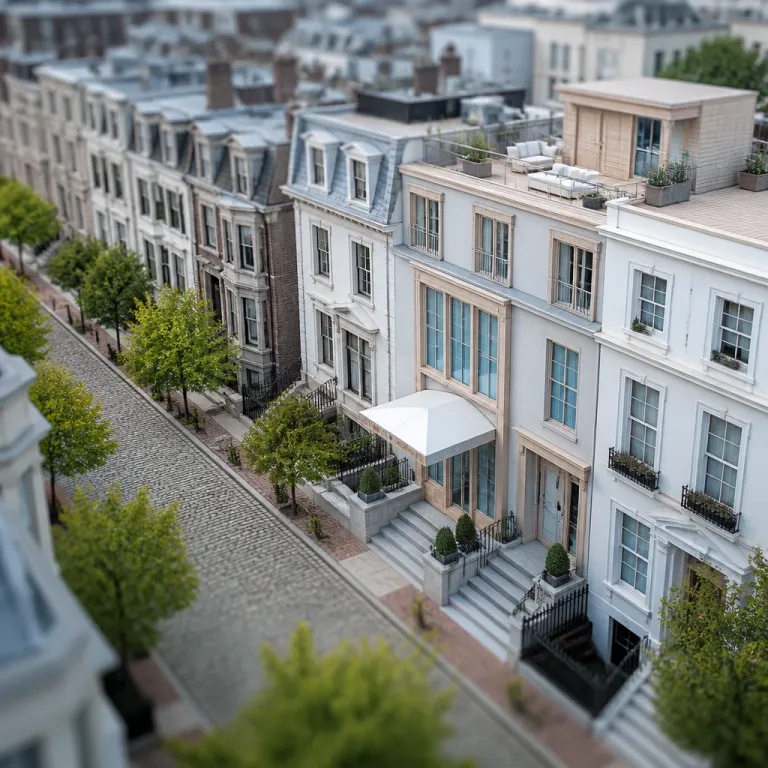
Beacon Hill remains the most emblematic historic district, with gaslit streets, brick townhouses, and discreet luxury properties tucked behind polished doors. When you stay near Beacon Hill, you can walk from your hotel to Boston Common in minutes, then continue along the Charles River Esplanade that curves gently around the north and west edges of the city. This part of central Boston suits travelers who value heritage, intimate scale, and easy access to both downtown offices and the riverfront.
To the south of the historic core, the city opens into a patchwork of residential districts where hidden gems reward patient guests. Jamaica Plain, West Roxbury, and Hyde Park form a green arc in Greater Boston, with leafy streets and low-rise houses that feel far from the Financial District yet remain well connected by public transport. These quieter neighborhoods work beautifully for longer luxury stays, especially when you want space, parks, and a softer urban rhythm.
Hidden corners near Beacon Hill, Boston Common, and the Charles River
Staying near Beacon Hill places you at the meeting point of history, greenery, and refined city life. From a luxury hotel on a side street just off Charles Street, you can slip out early, cross Boston Common in about 10 minutes on foot, and reach the Charles River before the morning crowds. This compact area of central Boston feels like a village wrapped inside a capital city, especially at dawn when only dog walkers and runners share the paths.
On the north side of Beacon Hill, the streets drop gently toward Boston Harbor and the historic waterfront. Here, a few premium properties hide behind restored facades, offering views toward the harbor and easy access to quiet morning walks along the water. Guests who choose this part of the downtown waterfront enjoy quick access to both business addresses and the more relaxed paths that trace the edge of the city, with most Financial District offices less than a 15-minute walk away.
For couples seeking privacy, the most rewarding stays often combine a central neighborhood with access to secluded gardens, libraries, and lounges. When you compare options, look for hotels that highlight intimate courtyards, reading rooms, or spa suites rather than only large lobbies and busy restaurants. One Boston concierge summed it up simply: “Our guests remember the quiet corners more than the grand entrances,” a reminder that guides to quiet corners and hideaways designed for two can help you match a specific Boston area to your preferred style of retreat.
Waterfront elegance from Boston Harbor to the south and east
Along Boston Harbor, the city reveals a different face, defined by water, glass, and wide-open views. Luxury hotels here often frame the harbor itself, with rooms facing north toward Charlestown and Bunker Hill or south toward the evolving Seaport District. This waterfront band of neighborhoods suits travelers who want contemporary design, large windows, and direct access to the bay, with many properties offering rooms that typically start in the mid-to-high range for Boston’s hotel market.
East Boston, just across the water, has shifted from a purely residential district into a place where savvy guests find stylish stays with skyline views. From a harbor-facing room, you can watch ferries cross between the East Boston piers and downtown, then step out to local restaurants that blend maritime history with modern menus. The proximity to Logan International Airport also makes East Boston a strategic choice for short luxury breaks when time is limited, with airport transfers often taking less than 10 minutes by car or water taxi.
Farther south along the waterfront, the Seaport and adjacent areas of South Boston offer some of the newest premium properties in Greater Boston. Here, wide streets, public art, and a growing network of parks create a contemporary counterpoint to the narrow lanes of Beacon Hill and the historic streets near Boston Common. Travelers focused on design-forward stays and waterfront promenades can review curated guides to Seaport and waterfront luxury stays to compare room types, harbor views, and access to the best restaurants along the bay.
Green retreats in Jamaica Plain, West Roxbury, and Hyde Park
Southwest of downtown, the neighborhoods of Jamaica Plain, West Roxbury, and Hyde Park form a chain of green refuges. These parts of Greater Boston sit slightly away from the busiest streets, yet they remain connected to the city by subway and commuter rail. For luxury travelers, they offer a different rhythm, with larger rooms, garden views, and easy access to parks that feel more like a residential enclave than a business hub.
Jamaica Plain, often called JP by locals, is especially appealing for guests who value both culture and nature. Here, you can stay in a premium guesthouse or small luxury property near the Arnold Arboretum, then walk through winding paths that climb each hill and open onto views back toward the Boston skyline. After a day of exploring the city from this base, you can return to streets lined with independent restaurants, galleries, and cafes that feel far from the corporate district, yet sit only about 25 minutes from downtown by subway.
Farther along the commuter lines, West Roxbury and Hyde Park provide even quieter options within the city’s neighborhood network. These areas suit families or long-stay guests who want more space, calmer streets, and quick access to regional parks while still remaining part of everyday Boston life. When you compare properties here, focus on proximity to train stations, access to green spaces, and the quality of local restaurants, since you will likely spend more evenings within the neighborhood itself.
Historic layers from Mission Hill to Bunker Hill and the north
North of downtown Boston, the city’s history becomes especially visible in the climb toward Bunker Hill and the streets of Charlestown. From a luxury hotel near the harbor, you can walk across bridges, follow the Freedom Trail, and reach this historic district without needing a car. The area around Bunker Hill offers a quieter alternative to the more crowded parts of the city, while still placing you close to major landmarks such as the Bunker Hill Monument and the USS Constitution.
Mission Hill, southwest of the central core, provides a different kind of historic layering, with university buildings, medical institutions, and residential streets sharing the same compact hill. Guests who choose a premium stay near Mission Hill gain quick access to museums, performance venues, and the long green corridor that leads back toward Boston Common and the Charles River. This part of the city works well for travelers who want culture and convenience without staying directly in the busiest downtown streets.
Across these historic districts, the key is to balance proximity to landmarks with the level of calm you expect from a luxury stay. Some travelers prefer to sleep on a quiet side street in a residential neighborhood, then walk or take public transport to the main attractions during the day. Others choose central addresses in the heart of Boston, accepting a livelier atmosphere in exchange for immediate access to restaurants, theaters, and waterfront paths.
Choosing the right Boston neighborhood for your luxury stay
When comparing Boston neighborhoods for a premium trip, start by defining your priorities clearly. If history and architecture matter most, Beacon Hill, the streets around Boston Common, and the historic North End will likely suit you best. Travelers who care more about water views and contemporary design may feel happier along Boston Harbor, in East Boston, or in the Seaport and South Boston waterfront district.
For guests planning longer stays, the greener neighborhoods of Jamaica Plain, West Roxbury, and Hyde Park often provide better value and more space. These areas of Greater Boston allow you to live like a local, with regular walks in nearby parks and evenings in neighborhood restaurants rather than always returning to downtown. Families especially appreciate the calmer streets, playgrounds, and community feel that define each residential district in this part of the city.
Business travelers, by contrast, usually benefit from staying within or near the Financial District, where they can walk to meetings and still reach the Charles River or Boston Common in minutes. In this case, look for hotels that offer quiet rooms facing inner courtyards or higher floors, which soften the noise from busy streets below. For a deeper view of how local companies shape the travel landscape in Boston, you can consult analyses of Boston companies influencing modern travel when planning your itinerary.
Practical tips for exploring Boston neighborhoods in style
Luxury travel in Boston works best when you move at a human pace. Many of the most atmospheric streets, from the slopes of Beacon Hill to the lanes near Boston Common, reveal their character only when you walk rather than drive. Official guidance from the City of Boston often emphasizes this, with local advice noting simply: “Explore neighborhoods on foot.”
Public transport also plays a key role in exploring the city efficiently while keeping your base in a favorite neighborhood. From a central hotel, you can reach Jamaica Plain, Mission Hill, or East Boston in less than half an hour, then return to the calm of your chosen district after dinner. This flexibility allows you to sample multiple neighborhoods in a single stay without sacrificing the comfort and consistency of a luxury property.
When planning, consult the City of Boston and the Boston Planning & Development Agency for up-to-date maps, transit changes, and information about ongoing projects that may affect specific streets or squares. These institutions coordinate urban design, zoning, and infrastructure, which directly shape how each neighborhood feels at street level. By aligning your hotel choice with this evolving urban fabric, you ensure that your stay reflects both the history and the future of Boston’s districts.
Key figures about Boston neighborhoods and urban context
- The City of Boston officially recognizes 23 distinct neighborhoods, which means luxury travelers can choose among more than twenty different urban atmospheres within a compact metropolitan area (source: City of Boston, neighborhoods data).
- Boston’s population is approximately 675,000 people, a scale that keeps the city walkable while still supporting a wide range of premium hotels, restaurants, and cultural venues across multiple districts (source: City of Boston, demographic data).
- Dorchester is the largest neighborhood in Boston by area and population, offering a strong contrast to smaller historic districts such as Beacon Hill or Bay Village in terms of density, housing types, and street patterns (source: municipal neighborhood profiles).
- According to the Boston Police Department’s publicly available crime statistics, neighborhoods such as Beacon Hill, Back Bay, West Roxbury, and Charlestown report relatively low violent crime compared with many other parts of the city, which reassures luxury travelers who prioritize security when choosing where to stay (source: Boston Police Department, crime incident reports).
- Urban development in Boston has evolved from its founding in the seventeenth century through major nineteenth-century expansion to current smart city initiatives, and this long timeline explains the layered mix of historic streets, modern towers, and new waterfront districts visible today (source: Boston Planning & Development Agency historical overview).
Frequently asked questions about Boston neighborhoods for luxury stays
What are the safest neighborhoods in Boston for upscale hotels?
Beacon Hill, Back Bay, West Roxbury, and Charlestown are considered safe based on Boston Police Department crime data, which show comparatively low rates of serious offenses in these districts. These areas combine relatively low crime levels with strong community presence and well-maintained streets, and many of the city’s most established luxury properties cluster in or near these neighborhoods for that reason.
Which Boston neighborhood is best for families booking premium stays?
Jamaica Plain offers good value and family-friendly amenities. Families appreciate its parks, playgrounds, and calmer streets, as well as the easy transport links back to downtown Boston. West Roxbury and Hyde Park also appeal to families seeking more space and a residential atmosphere, especially for multi-night stays where access to green space matters as much as proximity to museums.
Where should I stay for the strongest sense of Boston history?
Beacon Hill, the streets around Boston Common, and the historic areas near Bunker Hill provide the richest sense of local history. In these districts, you walk among brick townhouses, old churches, and monuments that reflect the city’s role in early American events. Choosing a hotel in these neighborhoods lets you experience that history from your doorstep, with many landmarks reachable in 10 to 20 minutes on foot.
Which neighborhoods work best for waterfront luxury stays?
Areas along Boston Harbor, including parts of downtown, the Seaport in South Boston, and East Boston, are ideal for waterfront stays. Hotels here often feature harbor views, easy access to promenades, and quick connections to ferries and water-based activities. Guests who prioritize sea air and open vistas usually prefer these districts, especially when they want to combine city sightseeing with time by the water.
How can I move easily between different Boston neighborhoods during my trip?
The city’s public transport network makes it simple to combine several neighborhoods in one stay. Subways, commuter trains, and buses connect downtown Boston with Jamaica Plain, Mission Hill, East Boston, and other districts in less than 30 minutes. Many visitors choose a central luxury hotel, then use transit and walking to explore multiple areas each day, keeping taxi or rideshare use for late evenings or airport transfers.
