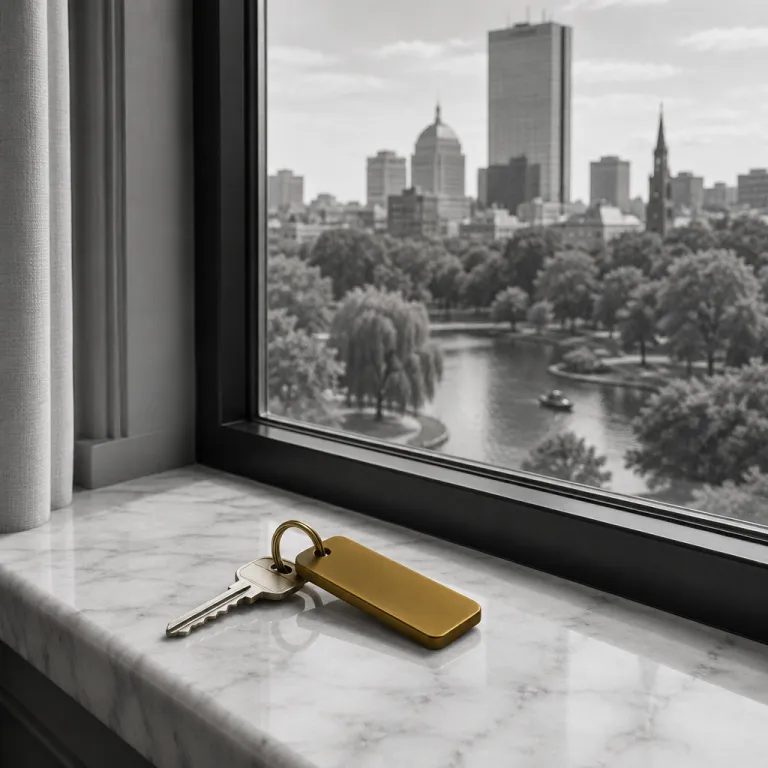
Boston attractions for luxury travelers who want characterful neighborhoods
Boston rewards travelers who look beyond the obvious attractions and choose a luxury hotel in a neighborhood with real texture. In this compact city you can walk from a five star lobby to cobbled streets, leafy parks, and waterfront views in minutes, which makes every day of your trip feel effortlessly curated. When you plan to visit Boston with a focus on both refined comfort and authentic streetscapes, the right area becomes the best silent upgrade to your stay.
For many guests the historic heart of Boston attractions starts at Boston Common, the oldest public park in the United States and still a calm green frame for premium properties around Beacon Hill and Back Bay. From an upscale address near the Common you can step straight onto the Freedom Trail, the must-do historic walk in Boston that links 16 sites across 2.5 miles, and you can reach the grand Boston Public Library in under fifteen minutes on foot. These central areas place you close to the top things to see while keeping airport and rail travel times short, which matters when your trip is only a long weekend.
Hidden gems sit just beyond the most photographed corners of the city, and they are where many of the best things Boston can offer a discerning guest quietly unfold. A stay on the Boston side of the Charles in a high floor suite overlooking the red brick of Beacon Hill lets you enjoy the area’s gaslit streets at dawn, then slip into the Public Garden paths before the day’s tours arrive. Instead of relying only on standard lists of top Boston attractions, trace your own walking route between lesser known highlights, including small galleries, chef led wine bars, and riverside paths that rarely appear on generic itineraries.
Beacon Hill and Back Bay: refined bases near iconic Boston attractions
Beacon Hill remains the classic choice for travelers who want Boston attractions wrapped in Federal era architecture and intimate streets. The neighborhood rises gently from Boston Common toward the Charles River, and many luxury Boston hotels here occupy restored townhouses or discreet low rise buildings that keep the historic skyline intact. When you stay in this area you are within a short walk of the Freedom Trail, the State House, and some of the best things Boston offers in terms of atmosphere rather than spectacle.
Back Bay, by contrast, feels wider and more Parisian, with long avenues, designer stores, and some of the top Boston hotel addresses lining Commonwealth Avenue and Boylston Street. Here you are perfectly located between the Charles River Esplanade and Copley Square, where the Boston Public Library’s McKim Building offers free public tours inside one of the city’s most beautiful interiors. Many guests plan a day that starts with a quiet library visit, continues with shopping and gallery hopping, and ends with a fine dining tasting menu within a five minute walk of their suite.
Couples planning a special trip often ask which area offers the best balance of romance, walkability, and access to major attractions including the Freedom Trail and Boston Harbor. For them a curated itinerary that blends Beacon Hill evenings with Back Bay comforts works especially well, and resources such as this guide to an autumn anniversary in Boston with suites, dinners, and walks can help refine the details. Whether you arrive from elsewhere in the United States or as part of a longer road trip through New England, comparing walking distances from each potential hotel to Boston Common, Newbury Street, and the riverfront will make your final choice far easier.
Waterfront, Boston Harbor, and Seaport: where luxury meets maritime history
The waterfront area around Boston Harbor has transformed into one of the city’s most compelling districts for premium stays, without losing its maritime character. From many harborside Boston hotels you can watch ferries glide toward the Harbor Islands while still being close to Faneuil Hall, Quincy Market, and the start of several harbor tour departures. This makes the area ideal if you want to balance cultural attractions with time on the water during a short visit.
Historic Faneuil Hall and the adjacent Quincy Market remain among the best known Boston attractions, yet luxury travelers often treat them as a starting point rather than the main event. After a brief walk through the market halls you can continue toward the waterfront promenades, where quieter corners of Boston Harbor reveal public art, small parks, and some of the best things Boston offers for sunset views. From here it is easy to arrange a half day harbor tour, a dinner cruise, or even a seasonal ferry that forms part of a wider road trip or travel loop toward Cape Cod and the islands.
Guests visiting during the festive season will find that the waterfront and nearby downtown streets host some of the most atmospheric seasonal markets and light displays in the city. For a detailed look at how to pair high end hotels with seasonal experiences, consult this refined guide to Christmas markets in Boston for luxury hotel guests, which highlights both central and slightly hidden locations. Whether your hotel is located in the Seaport, near the North End, or closer to Boston Common, you can rely on subway lines and short rideshare hops to move efficiently between waterfront attractions, theater nights, and late evening dinners without relying on a car.
Art, libraries, and quiet corners: cultural Boston attractions near premium hotels
For many sophisticated travelers the most memorable Boston attractions are not the busiest landmarks but the cultural spaces that invite you to slow down. The Museum of Fine Arts and the Isabella Stewart Gardner Museum sit slightly beyond the densest hotel clusters, yet they remain easy to reach by public transport or a short car ride from Back Bay and downtown. Planning a day around these institutions allows you to experience some of the best things Boston offers in terms of art, architecture, and reflective time.
The Boston Public Library’s historic McKim Building in Copley Square is a highlight in its own right, and it anchors a cluster of high end Boston hotels that appeal to guests who value both culture and convenience. Inside this public library you will find grand reading rooms, murals, and a central courtyard that feels like a hidden cloister in the middle of the city. Many visitors combine a morning library visit with an afternoon at the nearby shops and galleries, then return to their central base for spa time before an evening performance or fine dining reservation.
When planning which cultural attractions to prioritize, remember that “What is the must-do historic walk in Boston? The Freedom Trail’s 2.5-mile route with 16 key sites.” This trail begins near Boston Common and passes close to several premium properties, which makes it easy to integrate into a flexible itinerary that also includes museum visits and harbor views. Check opening hours and walking times between each place in advance, and consider scheduling indoor visits for the warmest or coldest parts of the day so that your trip feels comfortable as well as enriching.
Hidden neighborhood gems: living like a local from a luxury base
Some of the most rewarding Boston attractions for repeat visitors are the small scale experiences tucked into residential streets just beyond the main hotel zones. Areas such as the South End, parts of Cambridge across the river, and the quieter edges of Beacon Hill offer independent galleries, chef driven restaurants, and leafy squares that rarely appear on standard lists of top things to do. Choosing a premium property within walking distance of these neighborhoods lets you enjoy the city’s softer side while still being close to Boston Common, the Public Garden, and major transit lines.
In the South End, for example, you can start your day with a café breakfast on a brownstone lined street, then stroll past local studios and design shops before heading toward central attractions. Many guests create their own walking tour that links these hidden gems with better known sites including the Boston Public Library, the Freedom Trail, and the waterfront. This approach turns a simple visit into a layered trip, where each day balances one or two headline attractions with quieter interludes in less crowded streets.
Luxury travelers who value wellness often look for hotels located near parks, river paths, or rooftop pools that offer a sense of retreat after busy days in the city. For inspiration on elevated swimming spots and sky level relaxation, consult this detailed guide to rooftop pools and places to swim above Boston, which highlights several properties that pair strong design with memorable views. Whether your trip is a short urban break or part of a longer road trip that also includes Cape Cod, anchoring your stay in a hotel that opens onto real neighborhood life will make the city feel both welcoming and distinctive.
Planning your stay: practical tips for pairing Boston attractions with the right hotel
Thoughtful planning can turn a simple visit Boston itinerary into a polished experience that feels both efficient and indulgent. Start by listing the Boston attractions that matter most to you, whether that means the Freedom Trail, Fenway Park, the Museum of Fine Arts, or time around Boston Harbor and the waterfront. Then group these places into logical day plans, noting which Boston hotels are located within a comfortable walking radius of each cluster.
For travelers arriving from other parts of the United States, flight times and arrival patterns often shape the first and last days of a trip. If your plane lands late, consider a hotel option close to Back Bay or downtown so that you can reach your room quickly and still enjoy a short evening walk around Boston Common or the Public Garden. On departure day you might choose lighter activities such as a library visit, a harbor stroll, or a relaxed lunch near Quincy Market, keeping heavier museum visits for full days when you can linger.
Those combining Boston with Cape Cod or a wider New England road trip should think carefully about where to position their city stay within the overall route. Starting in Boston allows you to adjust to the time zone, enjoy the top Boston cultural attractions, and then drive south toward the coast, while ending in the city offers a final dose of urban energy before flying home. In both cases a centrally located hotel that offers easy access to public transit, valet parking, and concierge support will make it far easier to move between the best things Boston offers and the quieter landscapes beyond the city.
Seasonality, timing, and crowd free ways to enjoy top Boston attractions
Timing matters when you want to experience Boston attractions in comfort, especially if you prefer quieter galleries, shorter lines, and more relaxed streets. Spring and autumn often bring the most pleasant walking weather, which suits a city where many of the best things to see are connected by short strolls rather than long drives. During these seasons you can comfortably walk between Boston Common, the Freedom Trail, the public library, and the waterfront in a single day without feeling rushed.
Many major museums and cultural institutions in Boston operate with timed entry or have one weekday closure, so checking schedules before you book your hotel can help you avoid disappointment. Some attractions offer free or reduced admission during specific evening slots, which can be an elegant way to experience world class art or architecture after a leisurely dinner near your base. When planning, remember that ferries to the Boston Harbor Islands tend to be seasonal, so if a harbor tour is a priority you should align your trip dates with the operating calendar.
Even during busier periods you can find calm by starting your days early and focusing on less obvious corners of the city during peak hours. Early morning walks through Beacon Hill, quiet reading time in the Boston Public Library courtyard, or a mid afternoon break in a small park near your hotel can balance the energy of Faneuil Hall, Quincy Market, and other headline attractions. With a thoughtful mix of timing, neighborhood choice, and hotel selection, your Boston stay will feel tailored, allowing you to enjoy both the iconic and the intimate sides of this historic city.
Key figures and useful statistics for planning luxury stays around Boston attractions
- Boston Common is recognized as Boston’s oldest public park, established in 1634, which means many premium hotels nearby offer direct access to nearly four centuries of layered urban history (Boston Tourism Guide).
- The Freedom Trail extends for 2.5 miles and links 16 historic sites, so guests should allow at least half a day to walk the full route at a comfortable pace with photo and café stops (Boston Tourism Guide).
- Standard adult admission to the Museum of Fine Arts is around 30 USD, a useful benchmark when budgeting for cultural days that may also include the Isabella Stewart Gardner Museum or other paid attractions (Sept guide data).
- Harbor Islands ferry services typically operate from May to October, which makes late spring through early autumn the most practical period for travelers who want to combine city hotel stays with island excursions (regional ferry schedules).
- Many central Boston hotels sit within roughly 1 kilometre of both Boston Common and the waterfront, so guests can often reach several top attractions on foot in under fifteen minutes, reducing reliance on taxis or rental cars (city mapping data).
FAQ about luxury hotels and Boston attractions
Is Fenway Park worth visiting if I am not a baseball fan?
Yes, many visitors find that the architecture and atmosphere of Fenway Park justify a tour even if they never watch a game. As one expert note states, “Is Fenway Park tour worth it without liking baseball? Yes, architecture and history are compelling alone.” From many Back Bay hotels you can reach the stadium quickly by public transport or a short car ride, making it an easy half day addition to a cultural itinerary.
Which Boston neighborhood is best for a first luxury stay focused on attractions?
For a first visit Boston experience that balances comfort and access, Back Bay and Beacon Hill are usually the strongest choices. Both areas place you close to Boston Common, the Freedom Trail, the Boston Public Library, and major shopping streets, while also offering a high concentration of premium hotels. From these neighborhoods you can walk to many top Boston attractions and use public transit for longer hops to museums or the waterfront.
How many days should I plan to enjoy the main Boston attractions from a high end hotel?
A three night stay on the Boston side usually allows enough time to see key sites without rushing, especially if your hotel is centrally located. With two full days you can cover Boston Common, the Freedom Trail, Faneuil Hall, Quincy Market, and a harbor tour, then use an additional day for museums or neighborhood exploration. Longer trips of four to five nights work well if you also want to include side excursions toward Cape Cod or more in depth cultural visits.
Do I need a car to explore Boston attractions from my hotel?
Most luxury travelers do not need a car for the city portion of their trip, because central Boston is compact and well served by public transport and taxis. Many Boston hotels offer valet parking for guests who arrive as part of a wider road trip, but day to day sightseeing is usually easier on foot or by subway. Planning walking routes and transit connections in advance will help you move efficiently between attractions without the stress of downtown driving.
Which Boston attractions are especially convenient for guests who love art and architecture?
Art and architecture enthusiasts should prioritize the Museum of Fine Arts, the Isabella Stewart Gardner Museum, and the historic McKim Building of the Boston Public Library. These attractions are easily reached from Back Bay and downtown hotels, and they pair well with strolls through Beacon Hill and along the Charles River Esplanade. Planning one full day around these cultural sites will give your trip a strong sense of place and depth beyond the more crowded historic landmarks.