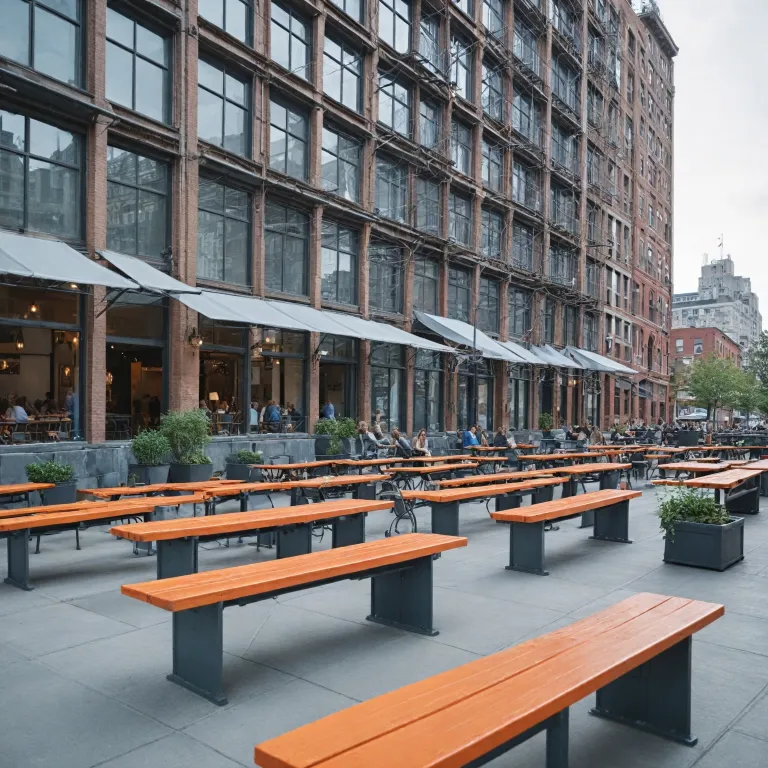
How to use this Boston hotel district dining guide
This Boston hotel district dining guide is written for travelers who plan their stays around the table as much as the room. In a compact city like Boston, the right hotel places you within a few hundred metres of serious dining, a harbor view bar, and the kind of neighborhood walks that turn a quick lunch or dinner into a full evening. Think of this overview as a curated map through the districts where hotels, restaurants, and the Boston waterfront all shape one continuous experience.
- Still choosing a neighbourhood? Read our guide to the best hotels on the Boston Waterfront.
- Not sure where to book? Start with where to base yourself in Back Bay.
Start by choosing the district that matches your mood, then layer in the hotel and dining options that fit your style. Some travelers want the glass and steel of the Boston Seaport, others prefer the brownstone calm of Back Bay or the creative energy near Fort Point and the South End, yet all of these neighborhoods offer strong food identities. This guide moves district by district so you can compare hotels, restaurant menus, and late night options without losing sight of the harbor, the green spaces, or the things you want to do between meals.
Every section highlights where hotel restaurants genuinely compete with the city’s independent dining scene. When you read about a specific hotel, it is because its bar program, breakfast or lunch service, or tasting menu stands up to the best Boston has to offer, not because of a lobby renovation. We also flag where a short walk or a quick ride opens up Boston’s top tables, from award winning counters to casual mac and cheese joints that still feel like an only-in-Boston experience.
Seaport and waterfront: from Maple & Ash to harborfront classics
The Seaport District is Boston’s most hotel dense waterfront playground, and it is where this Boston-focused dining overview naturally begins. Glassy new hotels line the harbor, facing a promenade of bars, restaurants, and public space that turns the neighborhood into an all day dining corridor. From breakfast or lunch at a café to late night cocktails with a harbor view, the Seaport offers a tightly packed circuit of options within a ten to fifteen minute walk of most major properties.
Maple & Ash, a Chicago-born steakhouse concept now on Pier 4 Boulevard, anchors the high end of the Seaport dining spectrum with wood fired steaks, caviar service, and a menu built for celebrations. A few minutes away on Northern Avenue, Daily Provisions at Commonwealth Pier brings a more casual rhythm to the district, ideal for Boston children and adults heading to or from the nearby Children’s Museum along the waterfront. Between these two poles, you will find Davio’s Northern Italian Steakhouse in the Seaport District, TAMO Bistro + Bar at the Seaport Hotel, and MJ O’Connor’s, each proving why “What are the best hotel restaurants in Boston?" "TAMO Bistro + Bar, Henderson at Sheraton, MJ O’Connor’s." feels like a fair answer for many visitors.
Hotel guests at properties like the Westin Boston Waterfront can treat the entire Seaport as an extended lobby, moving from one bar to another as easily as crossing a corridor. The Barking Crab, a long standing harbor shack on Sleeper Street, still draws lines for lobster and mac and cheese, while newer spots such as Woods Hill at Pier 4 lean into farm driven menus and wellness minded sourcing. For a deeper look at where the kitchen truly leads, use this guide to hotel restaurants where the kitchen outshines the concierge as a companion to your Seaport District planning.
Fort Point and South End: chef counters, neighborhood bars, and creative menus
Cross the bridge from the Seaport District and you step into Fort Point, where brick warehouses hide some of the city’s most characterful dining rooms. This neighborhood is less about hotel towers and more about loft style spaces, yet it remains essential to any serious Boston hotel dining itinerary. Guests based in Seaport hotels can walk here in minutes, trading harbor views for cobblestones, galleries, and a different kind of bar culture.
Citrus & Salt by Jason Santos brings a coastal Mexican attitude to Fort Point, with a menu that feels built for shared plates, strong drinks, and late night energy. A short ride away, the South End layers in chef driven restaurants like Agosto by George Mendes, a roughly 45 seat counter where tasting menus unfold in a room that feels both polished and intimate. Baby Sister, a bakery café in the same neighborhood, is the kind of place where breakfast or lunch can stretch into an afternoon of people watching, especially if you value green spaces and tree lined streets as much as you value an award winning pastry case.
These districts are where Boston’s best often means small dining rooms, personal service, and a sense that you have stepped into the city’s creative engine. They are also where hotel guests can easily plan a hotel free evening, leaving the lobby behind and treating the neighborhood itself as the main event. For a sense of how new openings are reshaping this landscape, especially in nearby Back Bay, read this analysis of hotel dining openings that are changing Boston’s playbook before you book.
Back Bay and Allston: hotel corridors, food halls, and rooftop terraces
Back Bay is where classic Boston architecture meets some of the city’s most ambitious hotel dining, and it deserves its own chapter in any Boston hotel district dining guide. Along Boylston and adjacent streets, hotels cluster into a corridor that links shopping, culture, and restaurants in a walkable grid. Here, the Four Seasons One Dalton stands out, not only for its rooms but for LPM, a French Mediterranean restaurant that signals how seriously the city now takes hotel based dining.
Nearby, Henderson at the Sheraton Boston serves locally inspired dishes from breakfast through dinner, giving guests a reliable base when they want to stay close to their room. MJ O’Connor’s in Back Bay offers a more casual bar atmosphere, ideal when you want a pint, a plate of mac and cheese, and a game on the screen without sacrificing location. This part of the city is also where you feel the overlap between business travel, leisure stays, and wellness focused guests who value quick access to green spaces along the Charles River.
Shift west to Allston and the mood changes, yet the relevance to luxury travelers remains strong. The Atlas Hotel’s dining program, with Ama’s globally minded low waste menu and the Foxglove Terrace rooftop, gives hotel guests a reason to stay in the neighborhood after dark rather than heading back toward the Boston waterfront. Novo Marketplace, a roughly twenty thousand square foot food hall with sixteen stalls, turns Allston into a flexible base for groups, Boston children, and solo travelers who want the best street level food energy without committing to a single reservation.
Family friendly harbor days and hotel free evenings
Not every meal on a luxury trip needs white tablecloths, and this Boston hotel district dining guide keeps that in mind. Along the Boston Harbor, especially near the Boston Children’s Museum on Congress Street, you will find casual spots that still feel specific to the city, from clam shacks to cafés with strong coffee and easy breakfast or lunch menus. These are the places where Boston children can run along the waterfront while adults linger over a glass of wine or a local beer.
The Barking Crab, perched on the edge of the Boston waterfront, is a prime example of this balance between relaxed and iconic. Its picnic tables, harbor views, and straightforward menu of lobster, fried seafood, and mac and cheese make it a reliable stop between museum visits and harbor walks. A short stroll away, Woods Hill at Pier 4 offers a more polished, wellness conscious take on waterfront dining, with a focus on local sourcing that mirrors the farm to table approach at TAMO Bistro + Bar in the Seaport.
On nights when you want a hotel free experience, let the neighborhoods lead. Inman Square, with Urban Hearth’s Michelin recommended locavore cooking, rewards those willing to leave the main hotel districts for a few hours. South End restaurant rows, Allston’s Novo Marketplace, and Back Bay’s side street bistros all offer things that go beyond the usual city centre circuit, giving you a sense of the best Boston life as locals live it rather than as brochures present it.
Reservations, timing, and using hotels as your dining base
Securing the right tables can define your experience as much as choosing the right hotel, so this Boston hotel district dining guide ends with strategy. High demand rooms like Maple & Ash, Agosto, LPM, and Urban Hearth often book out well in advance, especially for prime weekend lunch or dinner slots. For these, aim to reserve as soon as your hotel dates are fixed, using concierge teams and online tools in tandem.
For more flexible days, lean on hotel restaurants that hold back space for in house guests, such as Henderson at the Sheraton Boston or TAMO Bistro + Bar in the Seaport. These venues are ideal when your schedule is shaped by city events, weather shifts along the Boston Harbor, or last minute things like a show or a game. Remember that “Do Boston hotel restaurants require reservations?" "Yes, reservations are recommended." is not just a guideline but a reflection of how popular the best Boston hotel dining rooms have become.
Late night options cluster around the Seaport District and Back Bay, where bars and lounges stay active long after formal dinner service ends. Use your hotel as a hub, moving between waterfront terraces, lobby bars, and nearby neighborhood spots depending on your energy and appetite. If you are planning a special occasion stay, this guide to elegant hotel based celebrations in Boston pairs well with the restaurant recommendations here, helping you align rooms, menus, and events into one seamless itinerary.
FAQ
Which Boston hotel districts are best for food focused stays ?
The Seaport District and Back Bay are the strongest choices for food focused hotel stays, thanks to their concentration of hotels and serious dining rooms. Seaport offers waterfront restaurants, Maple & Ash, Davio’s, and easy access to Fort Point, while Back Bay combines LPM at Four Seasons One Dalton with Henderson at Sheraton Boston and MJ O’Connor’s. South End and Allston are excellent for hotel free evenings, reachable by a short ride from most central hotels.
Do Boston hotel restaurants usually require reservations ?
Most of the city’s better hotel restaurants do require reservations, especially for weekend dinner and popular brunch or breakfast or lunch periods. The official guidance is clear : “Do Boston hotel restaurants require reservations?" "Yes, reservations are recommended." Booking early is particularly important for Maple & Ash, Agosto, LPM, and Urban Hearth, where small dining rooms and tasting menus limit walk in capacity.
Are there good options for families near the Boston Children’s Museum ?
Families staying near the Boston Children’s Museum have several strong options within a short walk. The Barking Crab offers casual seafood, harbor views, and a relaxed atmosphere that works well with Boston children of different ages. Nearby cafés and hotel restaurants in the Seaport District provide easy breakfast or lunch and early dinner choices before or after museum visits.
How expensive is dining in Boston hotel districts ?
According to data from Meet Boston and Numbeo, the average cost of a mid range restaurant meal in Boston is around thirty US dollars per person, though hotel district restaurants often sit above that baseline. High end spots like Maple & Ash, LPM, and Agosto price in line with other major American cities, especially for steak, seafood, and tasting menus. More casual venues, food halls such as Novo Marketplace, and bar menus at places like MJ O’Connor’s or TAMO Bistro + Bar offer better value while keeping you close to your hotel.
Can I eat well in Boston without staying in a luxury hotel ?
You can absolutely eat well in Boston without booking a luxury hotel, because the city’s best dining is spread across multiple neighborhoods. Fort Point, South End, Allston, and Inman Square all host excellent independent restaurants that are easy to reach from any central base. Using this Boston hotel district dining guide as a map, you can pair more modest accommodations with award winning meals and still experience Boston’s top culinary highlights.
References
Meet Boston; Numbeo; Boston Tourism Board.