Boston historic hotels with modern design for family city breaks
Boston is one of the rare American cities where a single hotel building can tell two centuries of stories. Families arrive for a long weekend and quickly see how boston historic hotels modern design choices shape every walkable block of the city. From the first stroll across boston common to the last evening near the bay, the right hotel boston stay becomes part of your own chapter in this layered urban narrative.
Start in central boston, where grand stone façades face glass towers and the past feels close. Around copley square, several hotels boston guests love sit between the public library and Back Bay’s brownstones, giving parents an easy base for both shopping and the freedom trail. Here, boston historic hotels modern design details appear in restored lobbies, reimagined rooms and family friendly public park access that keeps sightseeing distances short for younger legs.
For many travelers, the preservation question matters as much as the pillow menu. When you choose historic hotels that have been carefully updated, you give children a tangible sense of United States history without sacrificing Wi-Fi speed or rainfall showers. Look for a hotel in this area where the design team has opened up corridors, maximized natural light and created flexible rooms that can handle strollers, extra beds and late night room service without feeling cramped.
Seasonally, spring and autumn are ideal for this kind of architecture focused stay. Cooler air makes it easier to walk between downtown boston landmarks, while clear skies sharpen every skyline view from your hotel bar terrace or corner suite. In summer, check that your chosen hotel boston address offers shaded outdoor seating and easy access to a nearby public park, because children will want breaks from museums and historic tours.
Sleeping in history: from former jail to neoclassical banks
Few properties capture boston historic hotels modern design tension as vividly as the liberty hotel at the edge of beacon hill. This former jail now anchors the bulfinch triangle and offers families a rare chance to sleep inside a National Historic Landmark without feeling confined. The original granite building curves around a soaring atrium, where glass, steel and warm lighting soften the once austere structure into a welcoming social hub.
Parents often choose the liberty hotel because it balances narrative and comfort. Children are fascinated by the preserved jail catwalks and the way some rooms still hint at the old cell layout, while adults appreciate the refined bar program and thoughtful restaurant design. When you check in, ask for a higher floor room with a view toward charles street or beacon hill, so you can point out the gas lamps and brick façades that define this part of the city.
Across town, another chapter of boston historic hotels modern design plays out in former financial buildings. Properties like the Langham Boston, once the Federal Reserve Bank, show how a massive stone bank can become a plush hotel with generous rooms, high ceilings and quietly luxurious public spaces. Here, deco style and art deco motifs in the lobby and bar nod to the building’s early twentieth century origins, while contemporary furnishings keep the overall style crisp enough for modern family travel.
When you plan a stay near copley square, consider reading about the historic luxury hotels around Boston Park Plaza to understand how these grand addresses handle renovation. Many of these hotels boston options sit within walking distance of trinity church, the public library and the main Back Bay shopping streets, which keeps daily logistics simple. For families, that means less time in transit and more time exploring the city’s layered architecture, from Romanesque churches to mirrored towers.
Beacon Hill, Back Bay and the waterfront: choosing your neighborhood
Where you stay in Boston shapes how you experience its architecture with children. Beacon hill offers narrow streets, gas lamps and brick townhouses, while the waterfront and seaport area lean into glass, steel and big sky views across the bay. The most rewarding trips often combine both worlds, using boston historic hotels modern design as a thread between neighborhoods.
On beacon hill, hotels near charles street place you within a short walk of boston common and the start of the freedom trail. Families can step out of the hotel building each morning and immediately feel the city’s older rhythm, then wander down to the charles river for open water views and playground stops. Many hotel boston options here occupy nineteenth century structures, so check room sizes carefully and ask about connecting rooms if you are traveling with more than one child.
Back Bay, anchored by copley square and trinity church, offers a different kind of historic density. Here, boston historic hotels modern design often means grand lobbies, generous ceiling heights and art deco or deco style details layered with contemporary furniture. If you are planning a special occasion trip, reading about an elegant Fairmont Copley Plaza celebration can give you a sense of how these landmark properties handle large gatherings while still feeling intimate for families.
Down by the waterfront, newer hotels boston properties trade carved stone for curtain wall glass and wide harbor views. This area works well in summer, when outdoor terraces, rooftop bars and easy access to ferries keep children engaged between museum visits. If you prefer to stay closer to downtown boston while still enjoying water, look for a hotel near the greenway, where landscaped paths and public art connect the historic core to the bay without long walks.
An architectural walking route: hotel hopping through Boston’s design history
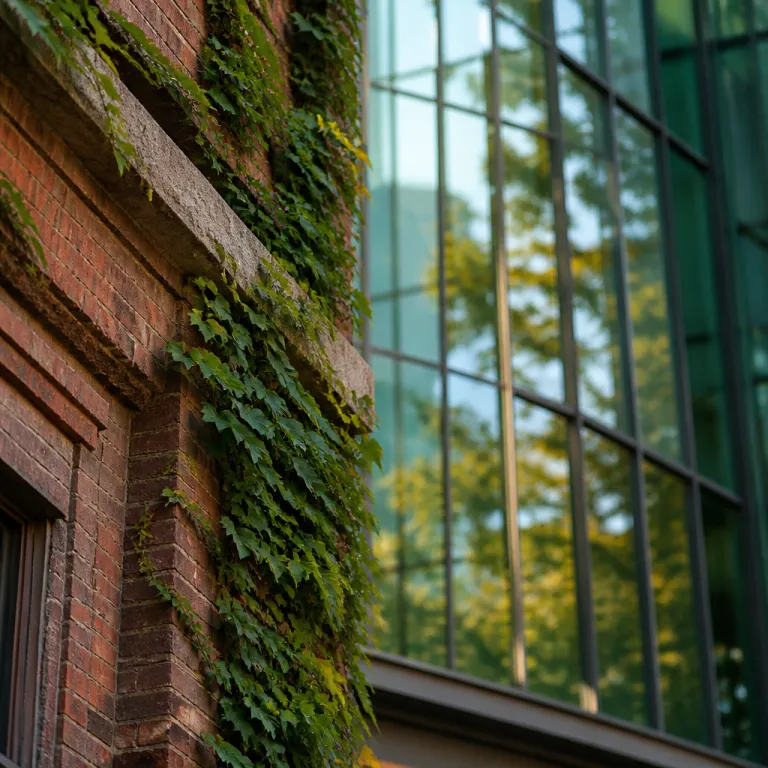
One of the pleasures of boston historic hotels modern design is how easily you can turn a family walk into an informal architecture tour. Start in central boston at a grand Back Bay property, then move on foot toward downtown boston, the bulfinch triangle and finally the waterfront. Along the way, you will pass historic hotels, civic buildings and public spaces that show how the city has evolved without losing its scale.
From copley square, walk past the public library and trinity church, then continue toward boston common and the adjacent public park that anchors the city’s green heart. Children can run on the grass while adults point out how different hotel building styles frame the skyline, from art deco towers to contemporary glass. Continue along the freedom trail toward the older streets of central boston, where narrower blocks and brick façades contrast with the more open Back Bay grid.
As you approach the bulfinch triangle and beacon hill, the liberty hotel appears as a clear example of adaptive reuse. Here, the former jail stands beside newer structures, showing how boston historic hotels modern design can preserve a story while adding comfort and light. Families often pause in the lobby bar or café, using the dramatic atrium as a teaching moment about how the United States now treats historic preservation differently than in the past.
To extend the route into a full day, continue toward the waterfront and seaport area, where newer hotels boston addresses face the bay with broad glass façades. This contrast between older stone and newer curtain wall design helps children understand how cities change while keeping certain anchors, like boston public spaces and long standing views. If you want a deeper neighborhood perspective, consider reading this guide to the South End’s refined stays and hidden city experiences, then plan another walk through that district’s brick streets and converted warehouses.
FAQ
Which Boston neighborhoods are best for families who love architecture ?
Beacon hill, Back Bay and central boston work especially well for families interested in architecture. These areas combine historic hotels, walkable streets, access to boston common and the public park network, plus easy connections to the freedom trail. The waterfront and seaport area add modern design and bay views, so many travelers split their stay between an older neighborhood and a newer hotel.
How can I tell if a historic hotel has been well modernized ?
Look for clear information about recent renovations, especially in guest rooms, bathrooms and mechanical systems. A strong boston historic hotels modern design project usually preserves key architectural features in public spaces while updating lighting, soundproofing and climate control. Reviews that mention quiet rooms, good water pressure and thoughtful layout are often a reliable sign that the building has been carefully reworked.
Is the Liberty Hotel suitable for children despite its jail history ?
The liberty hotel is generally considered family friendly, and many children find the former jail story fascinating rather than frightening. Public spaces are bright and lively, and staff are used to explaining the building’s history in an age appropriate way. As with any hotel boston choice, parents should review room types, dining options and proximity to parks like boston common to ensure the stay fits their family’s needs.
Do waterfront hotels in Boston offer easy access to historic sites ?
Waterfront hotels boston properties typically sit within a short walk or quick transit ride of major historic sites. From many seaport or harbor side addresses, you can reach downtown boston, the freedom trail and boston public institutions such as museums without long transfers. Families who value both bay views and history often choose a waterfront base, then plan daily walking routes that loop through central boston and Back Bay.
When is the best season to explore Boston’s architecture on foot ?
Spring and autumn usually offer the most comfortable walking conditions, with mild temperatures and clear light that flatters both stone and glass façades. Summer can be vibrant along the waterfront and in public park areas, but heat and crowds may require more breaks for younger travelers. Winter walks can still be rewarding around copley square, beacon hill and boston common, especially if you choose a centrally located hotel that keeps outdoor distances short.